


The new-dog shopping list & puppy-proofing your HDB flat
Before your dog arrives, you need about a dozen essentials and a safety audit. Here is the complete, no-fluff list — room by room, with Singapore's heat and HDB layout in mind.
The week before a new dog arrives is part logistical sprint, part safety audit. Buy the wrong things and you will waste money; miss the safety steps and you may be racing to an emergency vet within days. This guide cuts through the enormous volume of pet-industry marketing to tell you what you actually need before day one — and what can wait.
The list is calibrated for Singapore: HDB-flat dimensions, equatorial heat and humidity, and the specific hazards of urban tropical living. Most items apply equally to any flat or house anywhere, but the SG-specific notes are worth paying attention to.
The essentials: what to buy before day one
- Crate or playpen: the single most useful piece of equipment for the first six months. A wire or fabric crate should be large enough for the dog to stand, turn and lie down — but not so large they can toilet in one corner and sleep in another. In Singapore's heat, wire crates with good ventilation are preferred over plastic airline crates for home use.
- Bed or mat: place inside the crate or in a fixed sleeping spot. Washable covers matter — you will wash them often.
- Two stainless steel bowls: one for food, one for water. Stainless steel is hygienic, dishwasher-safe, and does not harbour bacteria the way plastic can.
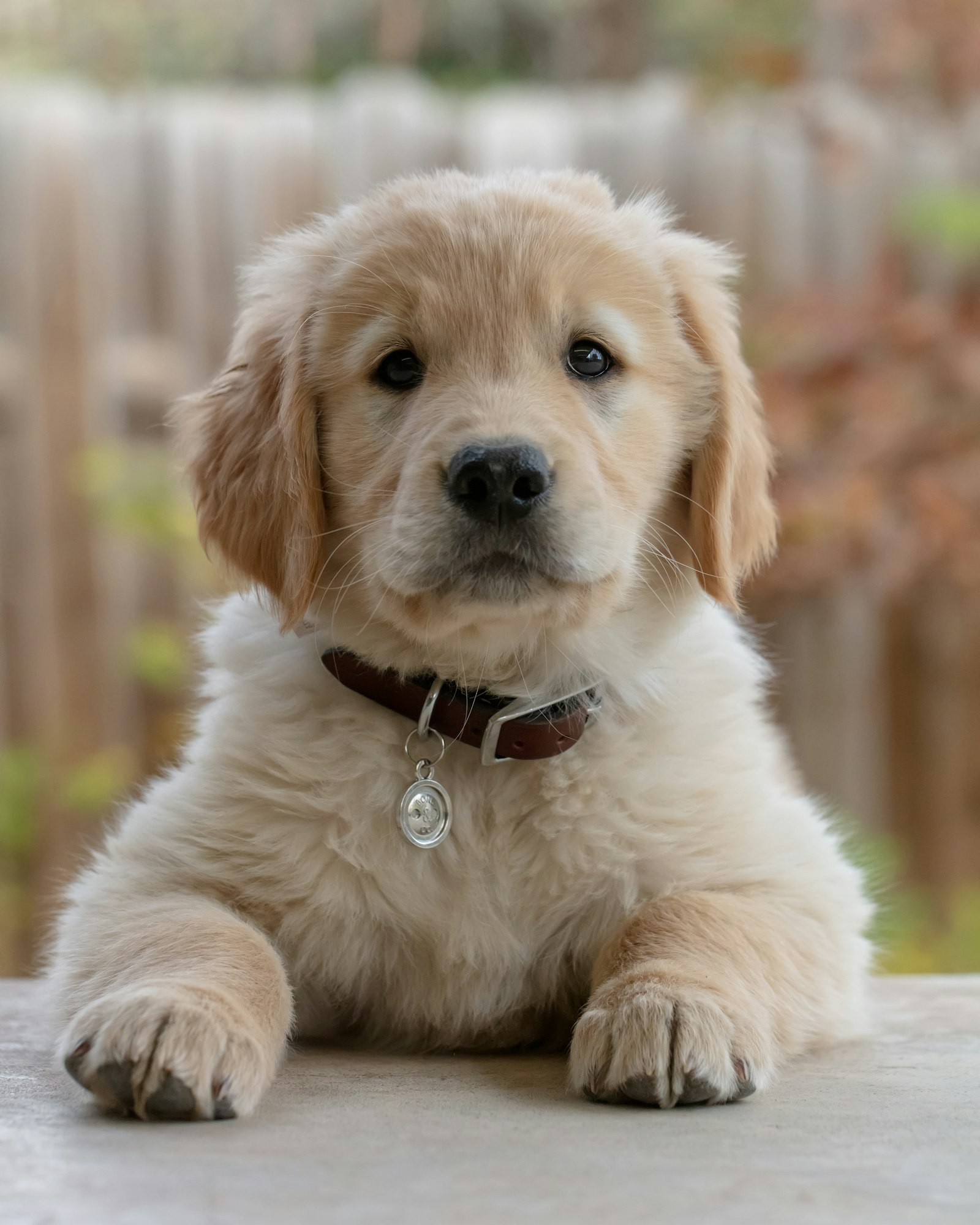
- Collar with ID tag: a flat buckle collar in the correct size, with an engraved ID tag showing your name and mobile number. This is the fastest way a lost dog is returned.
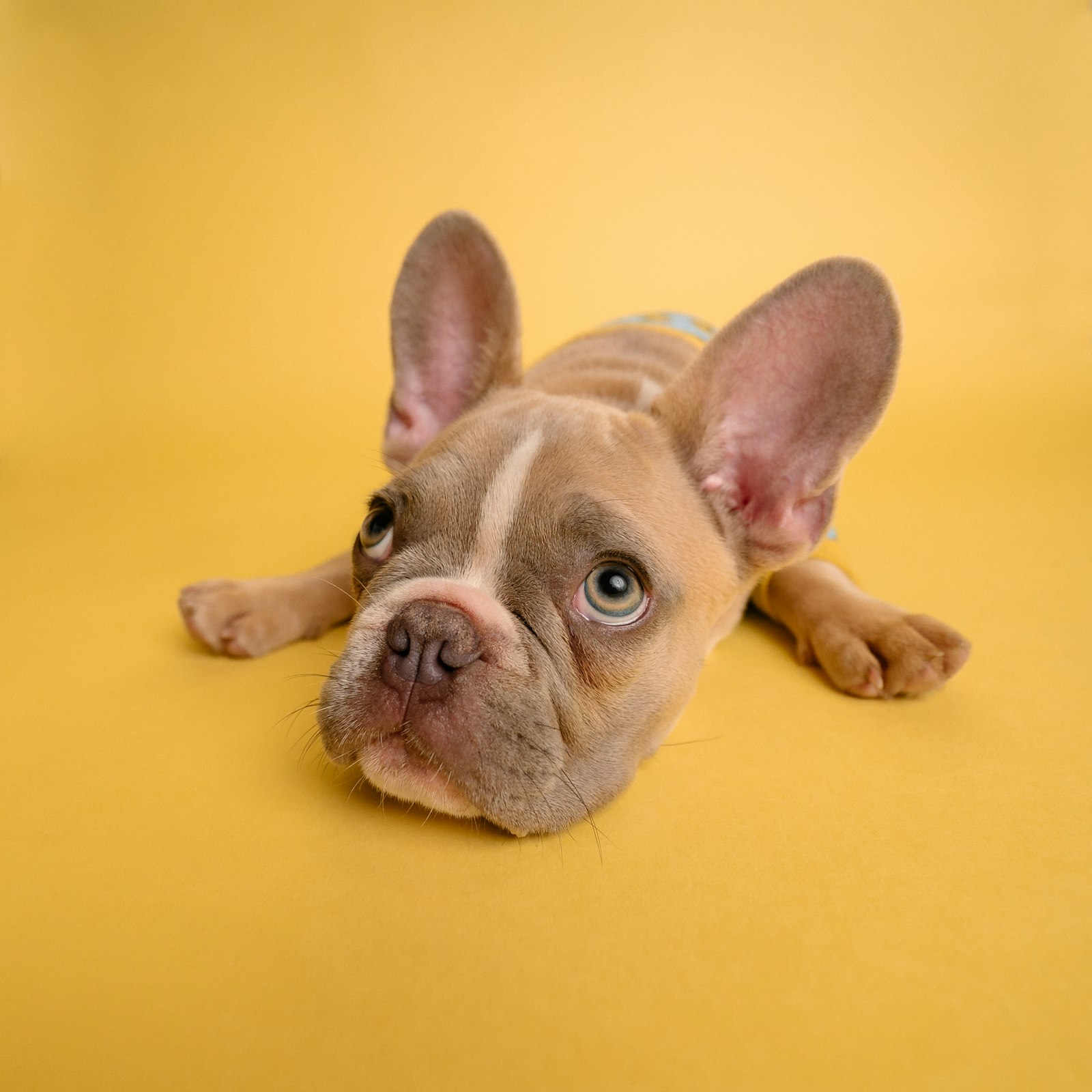
- Harness (optional at first): for dogs who pull or have tracheal issues (common in brachycephalic breeds like Pugs), a harness is better than a collar for walks. Measure before you buy.
- Leash: a 1.2–1.8 m standard leash for training and daily walks. Avoid retractable leashes for the first year — they teach dogs to pull and are unsafe in traffic.
- Poo bags and dispenser: biodegradable bags are widely available in Singapore. A dispenser that clips to the leash means you will never forget them.
- Food: start with the same food the breeder, rescue, or shelter was feeding. Abrupt diet changes cause gastrointestinal upset in dogs of all ages. Transition slowly over 7–10 days if you plan to change foods.
- Enzymatic cleaner: this is non-negotiable. Enzymatic cleaners (e.g. Nature's Miracle, BioBubble) break down the urine proteins that standard cleaners leave behind. Residual scent from an accident tells the dog "this is a toilet spot." You will use this product a lot in the first few weeks.
- Chews and enrichment toys: a Kong, a lick mat, and a couple of durable chew items keep a dog occupied and reduce destructive behaviour during the settling-in period.

The SG heat kit: essentials for a tropical climate
Singapore averages 27–34 °C throughout the year, with humidity regularly exceeding 80%. Dogs cannot sweat efficiently — they cool by panting and via their paw pads. In an HDB flat without full air-conditioning, a dog can overheat, particularly brachycephalic breeds (Pugs, French Bulldogs, Shih Tzus) and thick-coated breeds. A few targeted investments make a significant difference.
- Cooling mat: a gel-filled or water-activated cooling mat gives a dog somewhere to lie that is substantially cooler than the floor. Place in the dog's rest area.
- Fan or air circulation: if air-con is not always on, a pedestal fan aimed at the dog's crate provides meaningful cooling. Do not rely on open windows alone in peak afternoon heat.
- Portable water bottle: for walks. A collapsible silicone bottle and bowl is light and keeps the dog hydrated on the go.
- Walk timing: walk before 8 am and after 7 pm during the hot season. Pavements in direct sun in Singapore can reach 45–50 °C and burn paw pads. Test with your hand.
Room-by-room puppy-proofing: the flat safety audit
Puppies and newly adopted dogs explore with their mouths. A systematic room-by-room check before your dog arrives takes about 30 minutes and can prevent a costly emergency vet visit. Get down to dog height and look for hazards from their perspective.
- Living room: secure all electrical cables with cable ties or split conduit. Remove or elevate houseplants (many tropical plants common in Singapore — sago palm, oleander, Dieffenbachia — are toxic to dogs). Fit safety latches on TV console cabinets.
- Kitchen: install child-safety locks on floor-level cupboards containing cleaning products, bin contents, and food. Fit a bin with a latch. Keep chocolate, grapes, onions, xylitol products and coffee out of reach at all times.
- Bathroom: keep the door closed or fit a door guard. Medications on the vanity top, dental floss, razors, and cleaning products under the sink are all hazards.
- Balcony: fit a balcony safety net if your dog could squeeze through the railing gaps. Balcony falls are a significant cause of serious injury in urban dogs. AVS licensing rules require owners to prevent dogs from exposure to fall-from-height risk — "meshing of windows" is given as an explicit example in the Animals and Birds (Licensing and Control of Cats and Dogs) Rules 2024.
- Bedroom: check for loose wires behind furniture. If the dog will not sleep in the bedroom, use a baby gate to prevent access.
- Common areas / corridor: brief all household members. Ensure the front door is always fully closed before opening the crate — a puppy can bolt through an open front door into an HDB corridor in seconds.


What can wait: gear to skip on day one
- Expensive clothing and costumes: unnecessary, and some dogs find them stressful.
- A full wardrobe of toys: buy two or three durable options first; see what your specific dog engages with before investing more.
- Automatic feeders: useful later, but for the first weeks you want to hand-feed or measure manually to monitor intake and build bonding.
- A full grooming kit: wait until you know your dog's coat type and temperament. Professional grooming for the first few sessions is fine.
- Premium supplements and additions: unless prescribed by your vet, skip the "joint support," "skin booster" and "calming" products until your dog's baseline health and behaviour are established.
“What a dog needs on day one is safety, calm, and a familiar smell — not a wardrobe.”
Sources & references
- NParks AVS — Responsible pet ownership (Singapore)
- ASPCA Animal Poison Control Center — toxic household hazards
- SPCA Singapore — New pet preparation
- SOSD Singapore — Adoption preparation guide
- RSPCA Australia — Bringing a new dog home checklist
PawHub content is researched from the sources above and is queued for expert sign-off. It is general guidance and not a substitute for advice from your own vet, a qualified trainer or relevant official authorities.