




For the vast majority of small-breed dog owners in Singapore, Royal Canin Mini Adult will be the name their vet recommends first — and for good reason. It has been refined over decades of nutritional science, is available at virtually every pet retailer and veterinary clinic on the island, and is formulated with a level of breed-size specificity that few competitors match. Whether that depth of R&D justifies its price is a fair question, and one we explore honestly here.
The formula is built around dehydrated poultry protein as the lead protein source, followed by maize, maize flour, and animal fats. Protein sits at 27% and fat at 16%, both landing in the middle of the range for small-breed adult kibble. The addition of fish oil delivers EPA and DHA at 2.5 g/kg, which supports coat quality — a genuine advantage for Maltese and Poodles who are prone to dull, flaky coats in Singapore's low-humidity air-conditioned environments. L-carnitine aids fat metabolism and weight management, a meaningful feature given how easy it is for sedentary HDB apartment dogs to edge toward overweight.
Where Royal Canin draws the most criticism is the ingredient list beyond the proteins. Maize appears three times in various forms, and critics on review platforms such as Dog Food Advisor point out that corn-derived ingredients deliver primarily carbohydrate energy rather than concentrated nutrition. The inclusion of vegetable protein isolate (likely soy) as a secondary protein booster is a cost-efficiency measure that high-end brands avoid. This does not make the food unsafe or nutritionally incomplete — it meets AAFCO standards and is backed by feeding trials — but it does explain why the formula scores modestly on ingredient-quality rankings despite its strong clinical reputation.
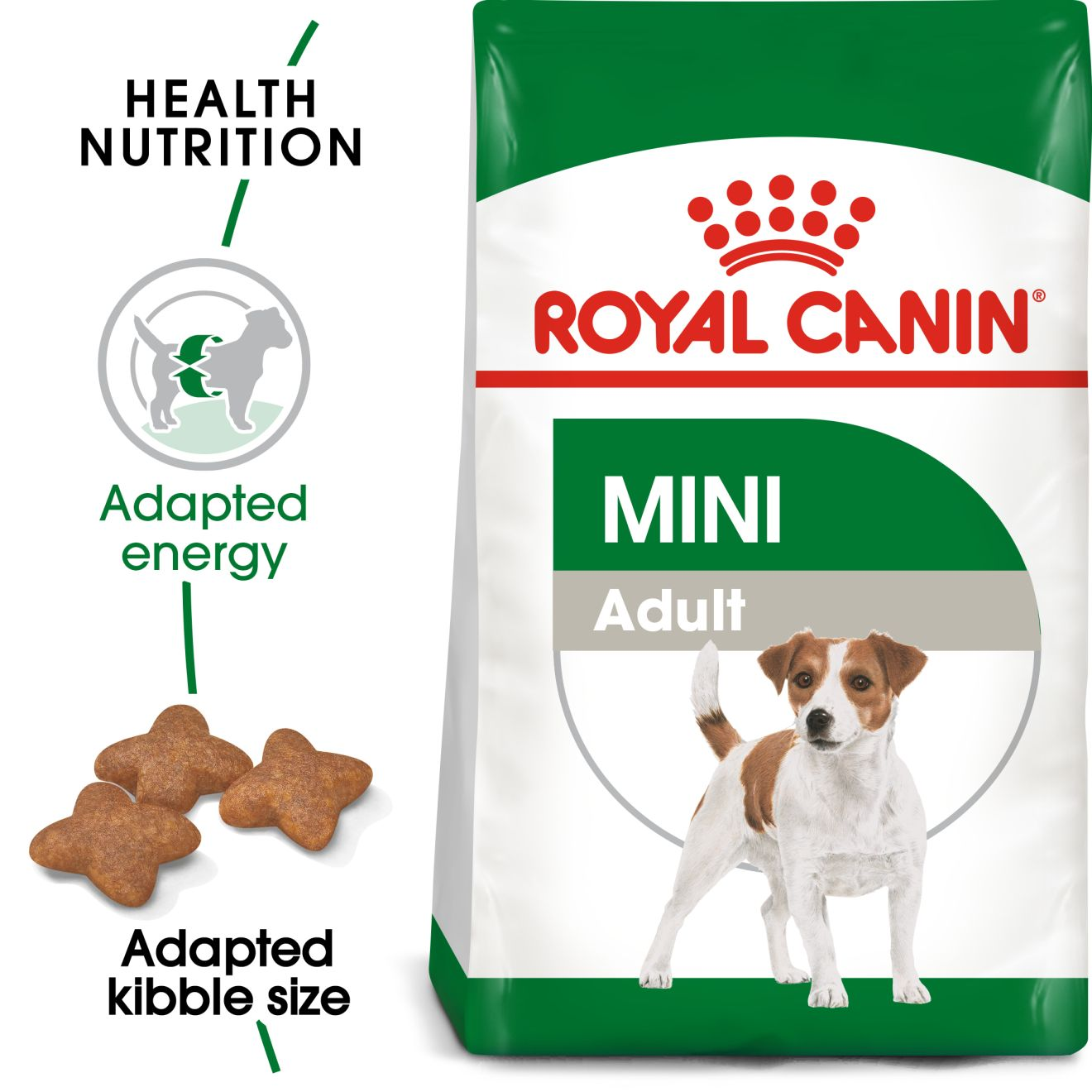
For Singapore specifically, the kibble size matters more than you might expect. Small-breed dogs, particularly Toy Poodles and Maltese — two of the most popular HDB-approved breeds — have significantly smaller jaw structure and higher surface-area teeth than medium breeds. The Mini Adult kibble is shaped and sized to encourage chewing rather than gulping, which reduces bloating risk and supports dental hygiene. Dental disease is one of the most common veterinary presentations for small dogs in Singapore, and any kibble that mechanically encourages chewing does real preventive work.
Palatability deserves mention because it is genuinely impressive. Royal Canin uses exclusive flavour enhancers developed for the notoriously particular appetites of toy breeds, and the real-world acceptance rate among Maltese and Shih Tzus — known for food refusals — is among the highest in the category. If your dog is a difficult eater, this track record is worth weighing against ingredient-list purism.
At S$48.90 for 2 kg and S$94.70 for 4 kg from Kohepets, this is not a budget option. That price point is harder to justify if your dog is a robust, easy-going eater who does well on comparable foods at lower cost. But for picky small breeds, active weight management, or owners who value vet-familiar formulations during health events, Royal Canin Mini Adult earns its place on the shelf.
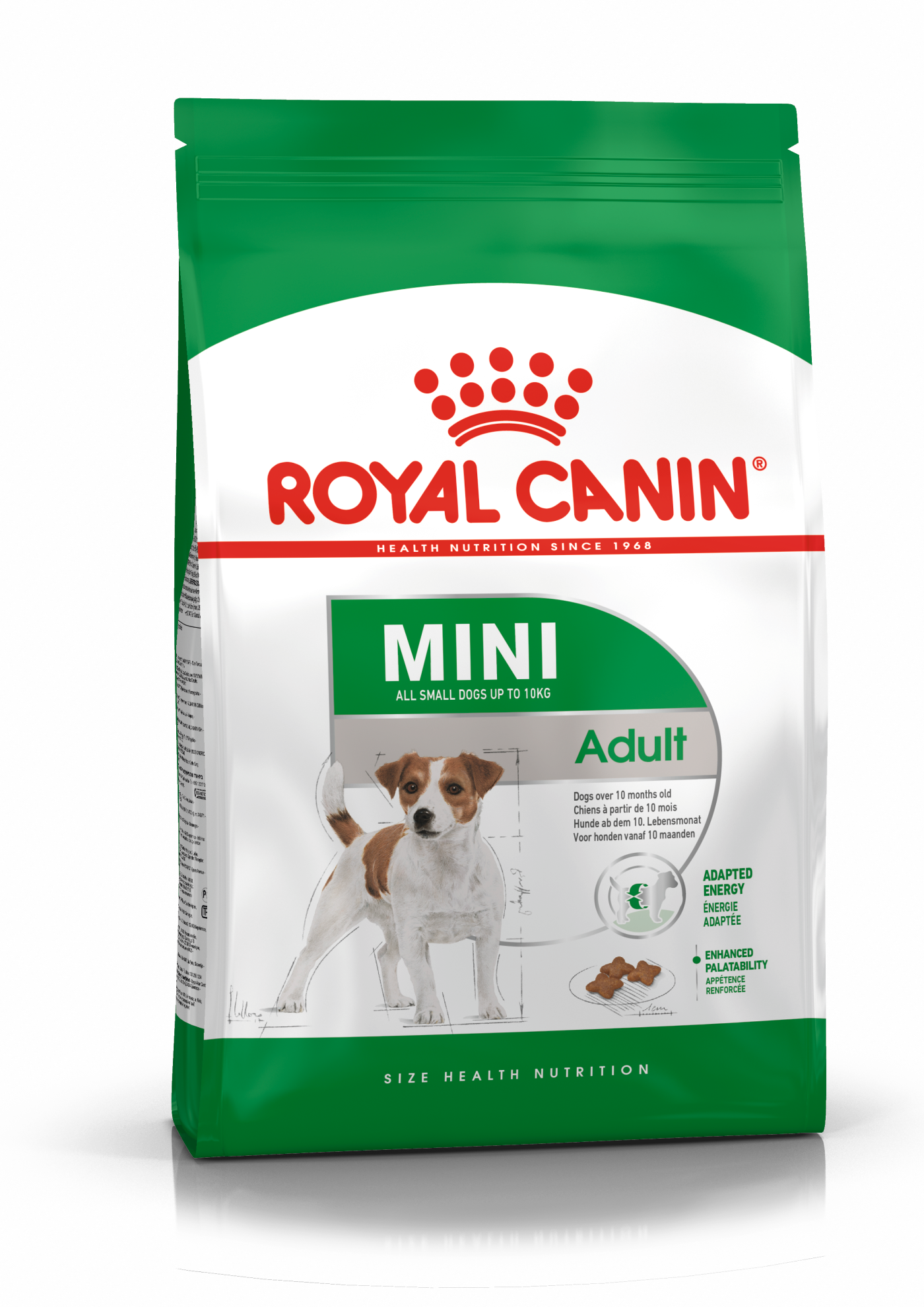
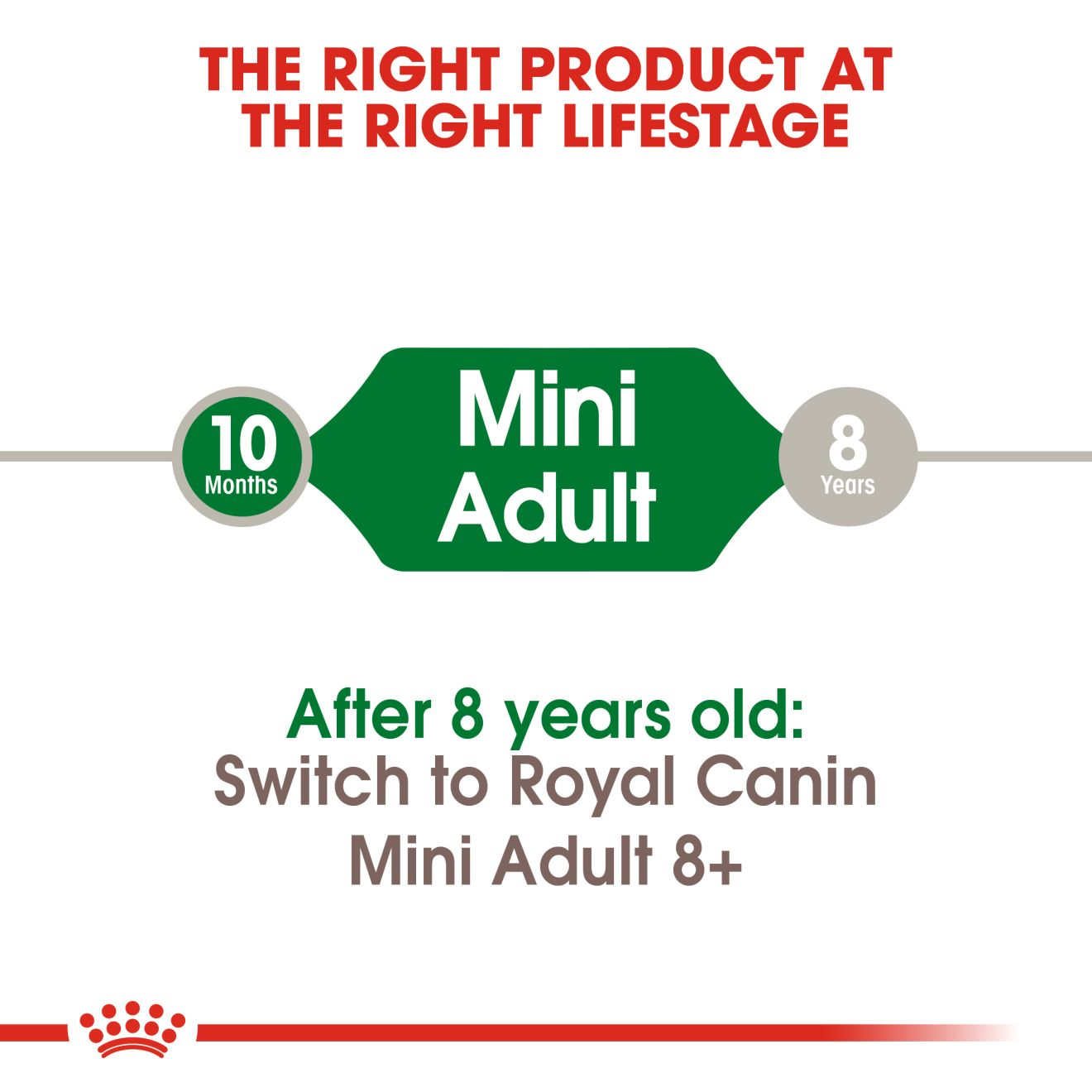
- Life stage: Adult dogs 1–8 years, weight 1–10 kg
- Protein: 27.0% | Fat: 16.0% | Crude fibre: 1.3% | Crude ash: 5.7%
- EPA + DHA: 2.5 g/kg (omega-3 fatty acids from fish oil)
- Key actives: L-carnitine (weight management), omega-3 & 6 (coat support)
- Kibble design: small, curved shape sized for breeds 1–10 kg
- Available sizes: 2 kg, 4 kg (8 kg periodically available)
- Exceptional palatability — well-documented acceptance rate among picky toy breeds (Maltese, Poodle, Shih Tzu)
- Kibble size and shape actively encourages chewing, supporting dental health in small-breed dogs
- Fish oil providing EPA/DHA at a meaningful dose (2.5 g/kg) for coat and skin in Singapore's air-conditioned climate
- Widely stocked at SG vet clinics — easy continuity of diet during hospitalisation or recovery
- Backed by feeding trials and decades of breed-size nutritional research
- Maize (corn) appears three times in the ingredient list — high carbohydrate load relative to premium competitors
- Contains vegetable protein isolate as a secondary protein booster — a cost-efficiency ingredient some owners prefer to avoid
- Price per kg is high relative to the ingredient quality when benchmarked against newer whole-food or limited-ingredient brands