



Read
Long-form features on the science, culture, longevity and ethics of life with dogs. Reported, researched and evidence-based.
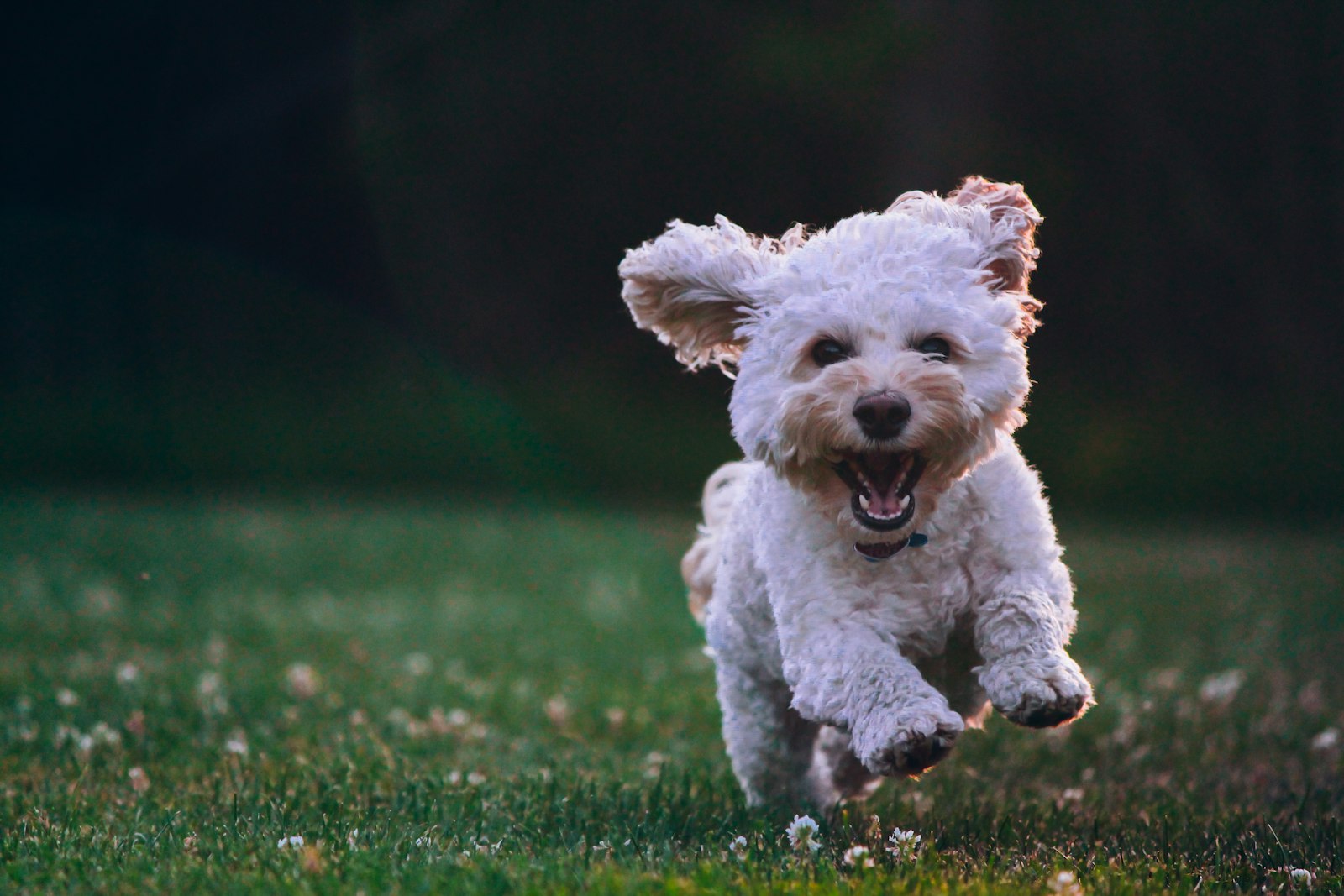
The 9 Percent: What Your Dog's Breed Actually Predicts
A landmark study of 18,000 dogs upended what we thought we knew about breed and behaviour. It turns out a label tells you surprisingly little about the dog in front of you.
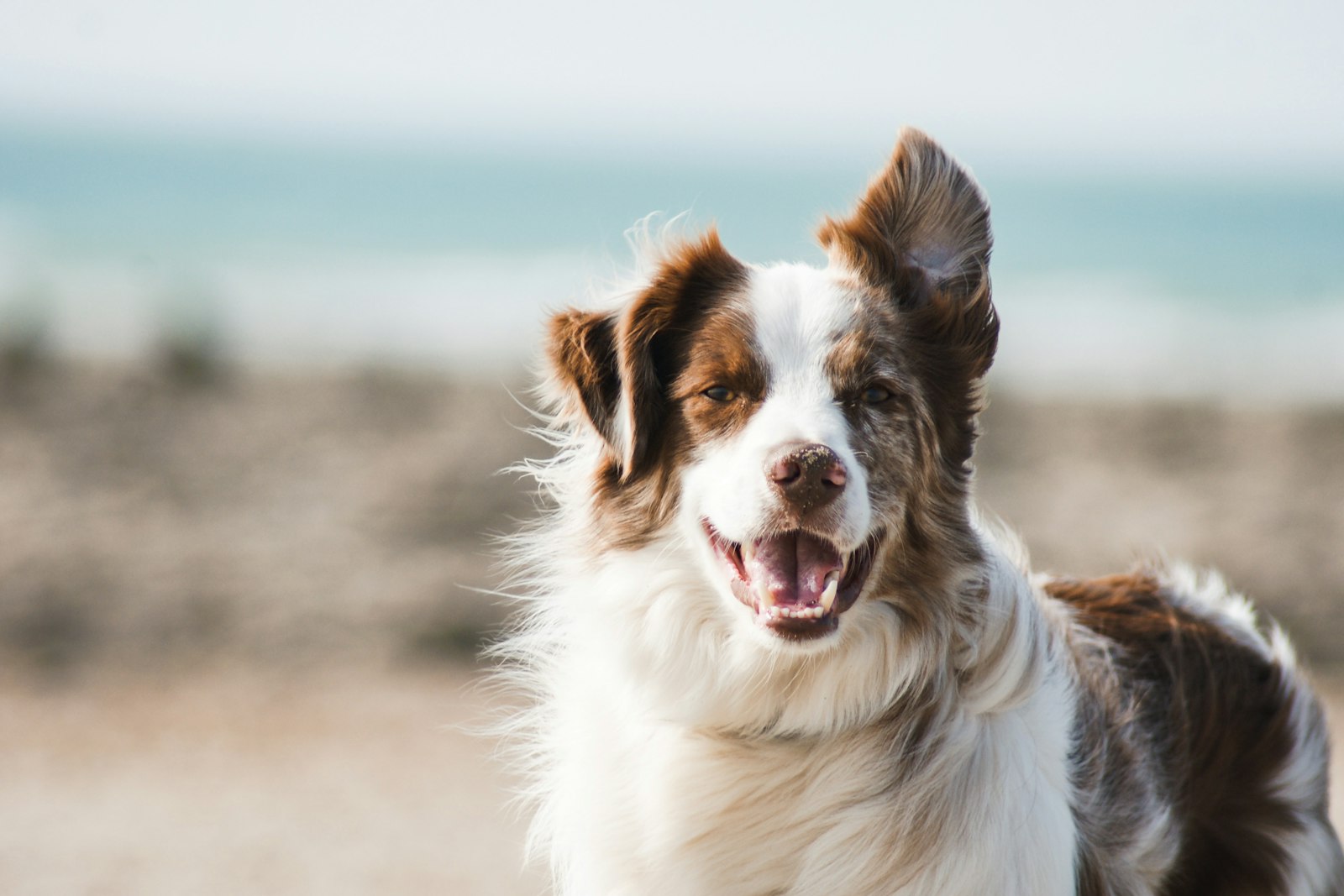
The Look That Made Us Family
When your dog meets your eyes, a chemical loop fires in both brains — the same oxytocin system that bonds a mother to her newborn. The science of a glance explains thirty thousand years of alliance.
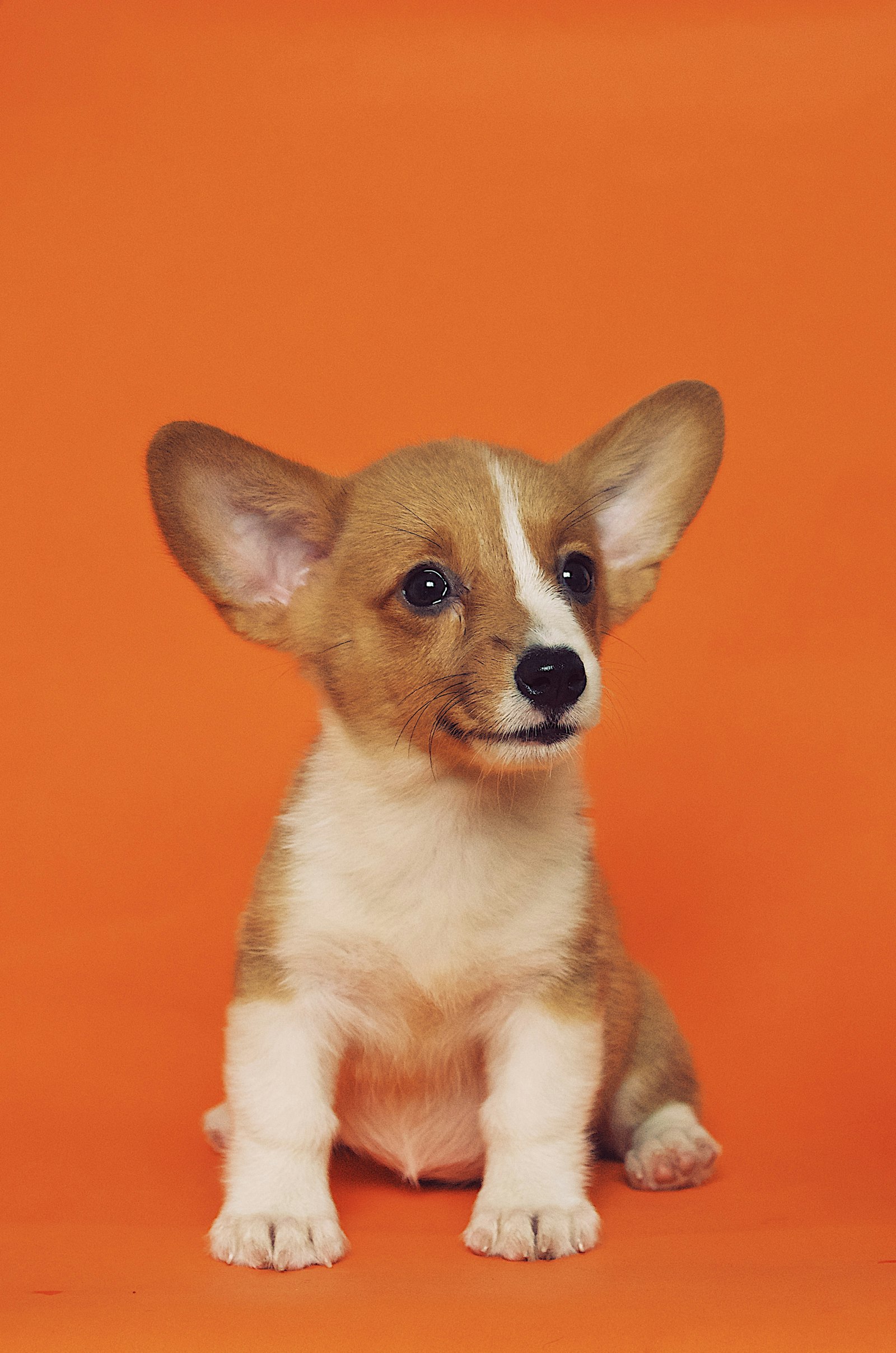
A World Written in Smell
A dog's nose isn't a better version of ours — it is an entirely different way of reading the world, one that turns a single sniff into a story of time, distance, and recent memory.
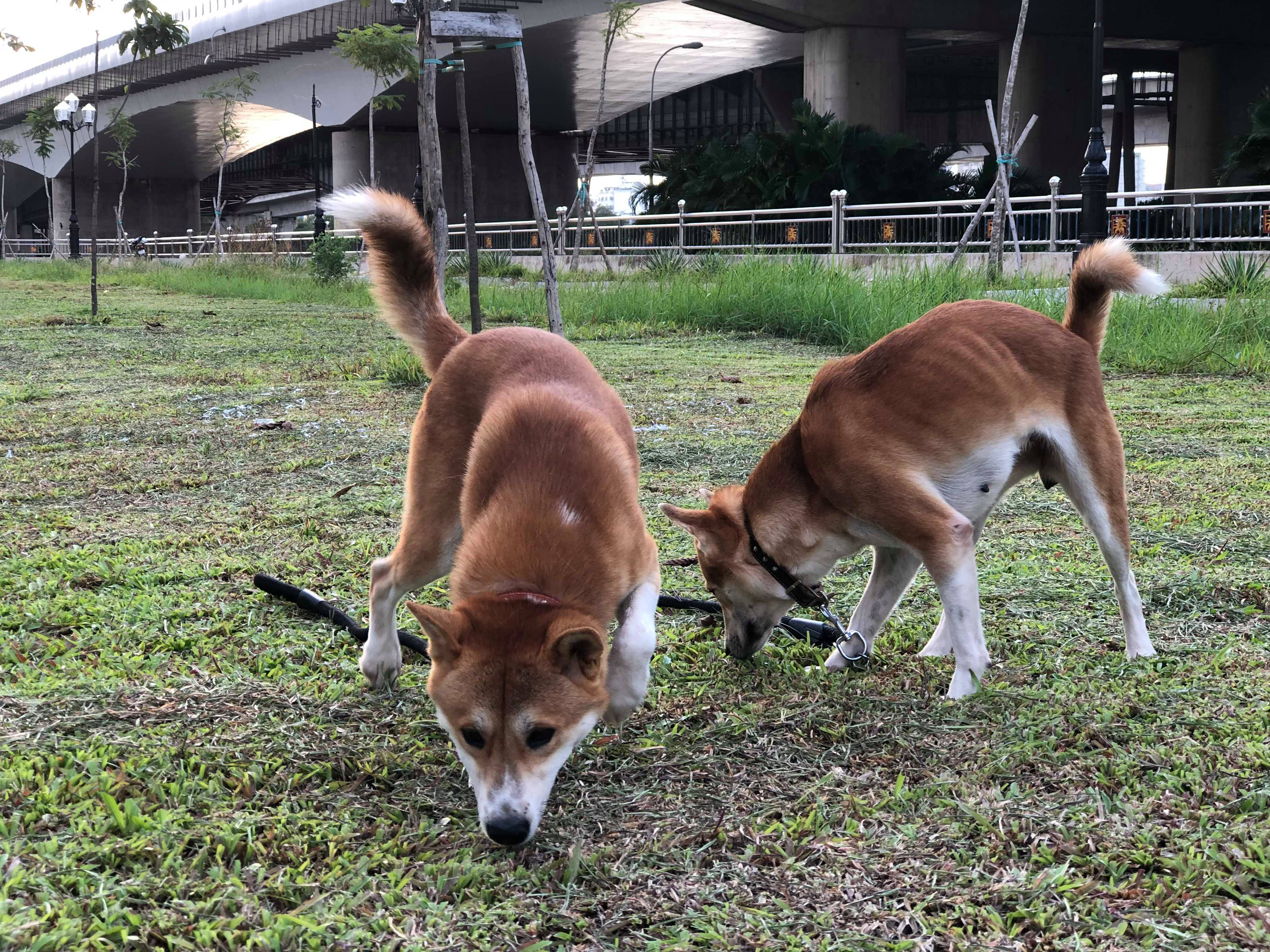 Ho Chi Minh City
Four Thousand Years of Partnership: The Ancient Genetics of Vietnam's Native Dogs
Every chó ta on a Saigon street corner is a living archive. The mixed-breed dogs of Southeast Asia carry within their genomes a record of human civilisation that purebred dogs have largely lost — and what geneticists are finding there is extraordinary.
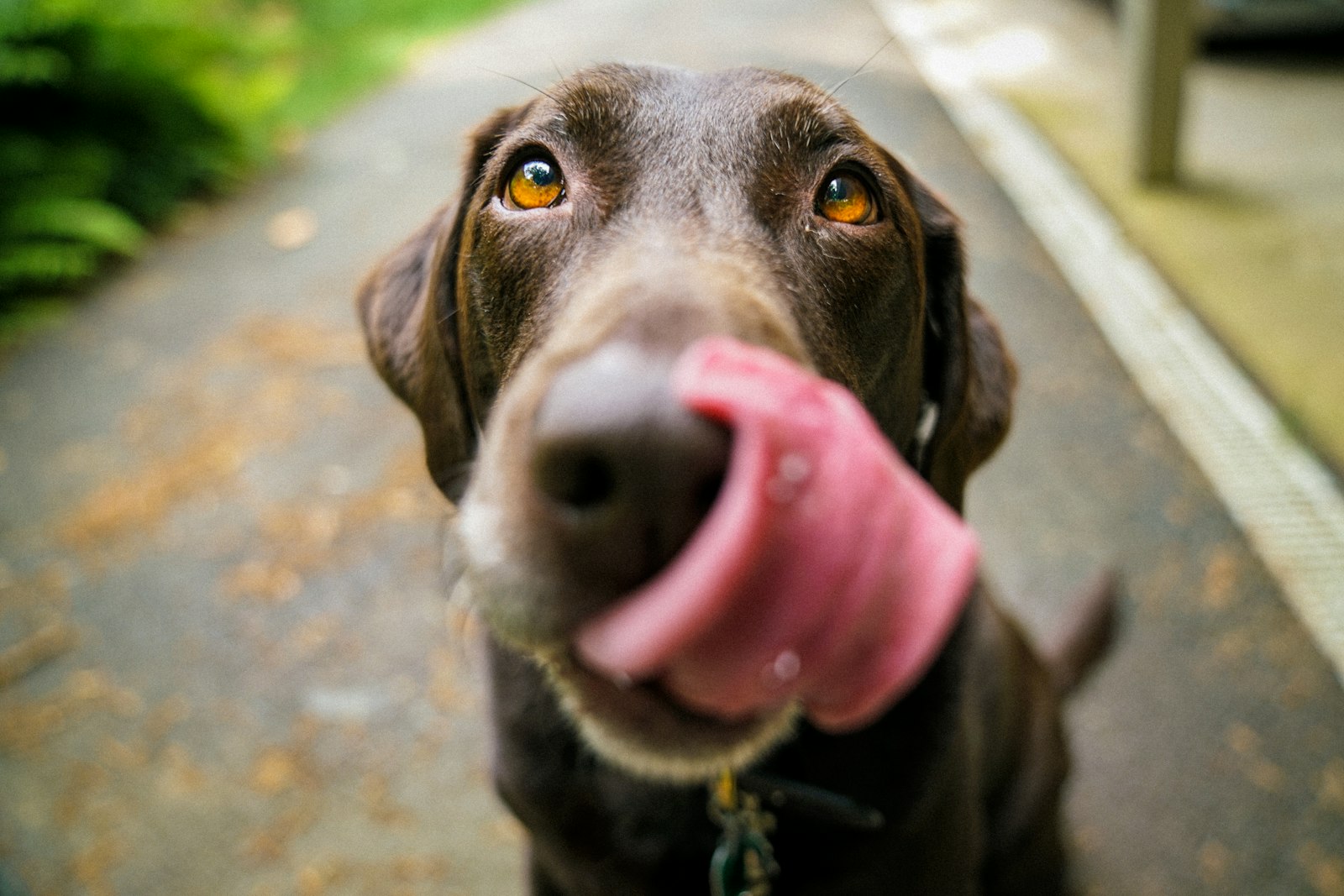
The Grief That Has No Name
Losing a dog can hurt as much as losing a person — sometimes more. And yet society offers almost no permission to grieve. Here is the science that explains why, and the case for taking pet loss seriously.
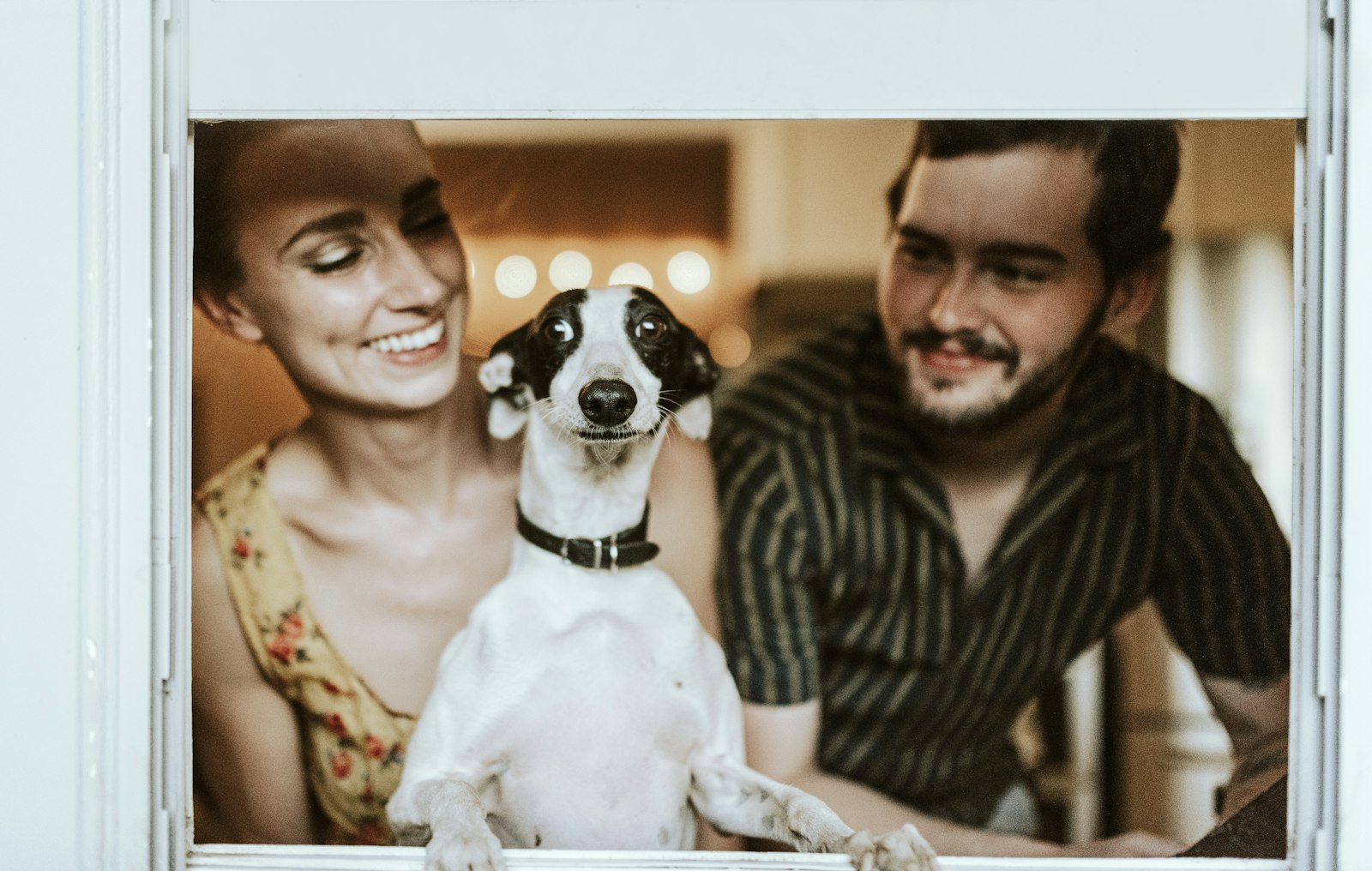
How the Dog Got Into the Bed
A century ago the family dog slept in the yard. Today it sleeps on the duvet. The story of how that happened is a story about what we decided we needed from animals — and from each other.
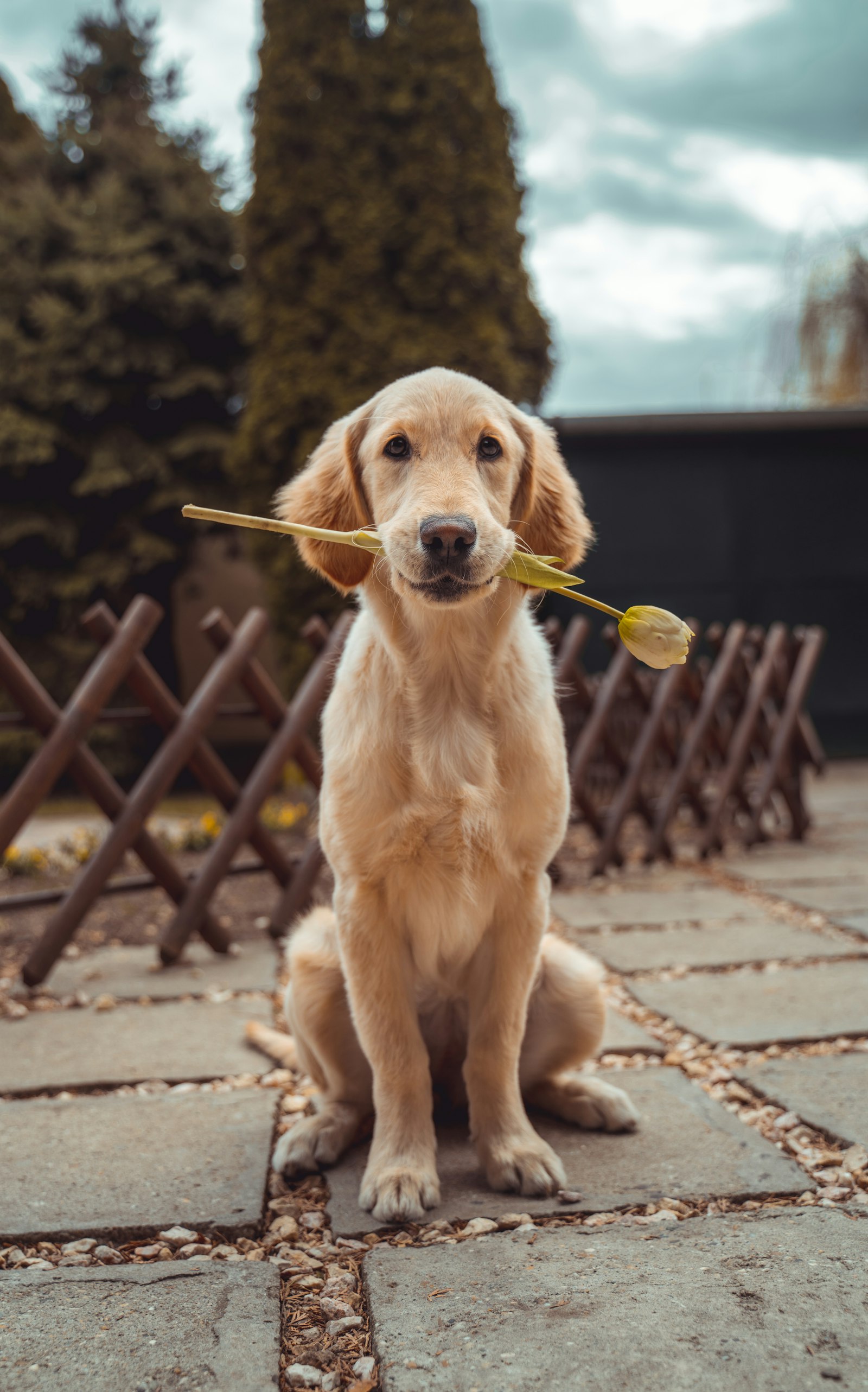
The Friendliest Gene
Dogs may carry a genetic signature of extreme sociability — a canine echo of a rare human condition in which strangers feel, immediately and overwhelmingly, like friends. New genomic research suggests the bond between dogs and humans is written into the genome itself.
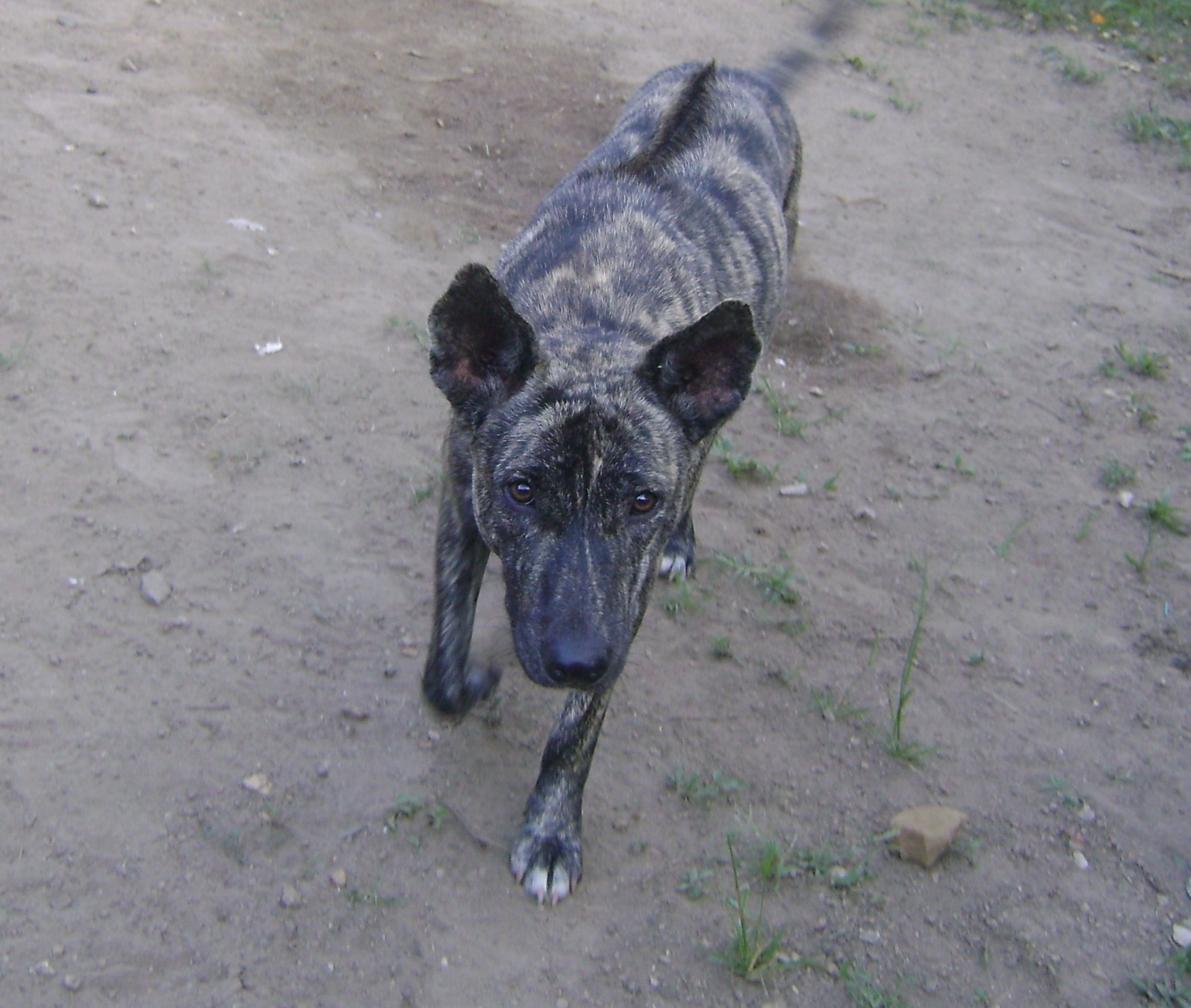 Ho Chi Minh City
Vietnam's Royal Dog: The Phu Quoc Ridgeback and Its Ancient Island Heritage
One of the world's rarest dog breeds was born on a Vietnamese island, earned a royal title from an emperor, and nearly vanished from history. The Phu Quoc Ridgeback — Vietnam's only indigenous dog — is finally getting the recognition it has always deserved.
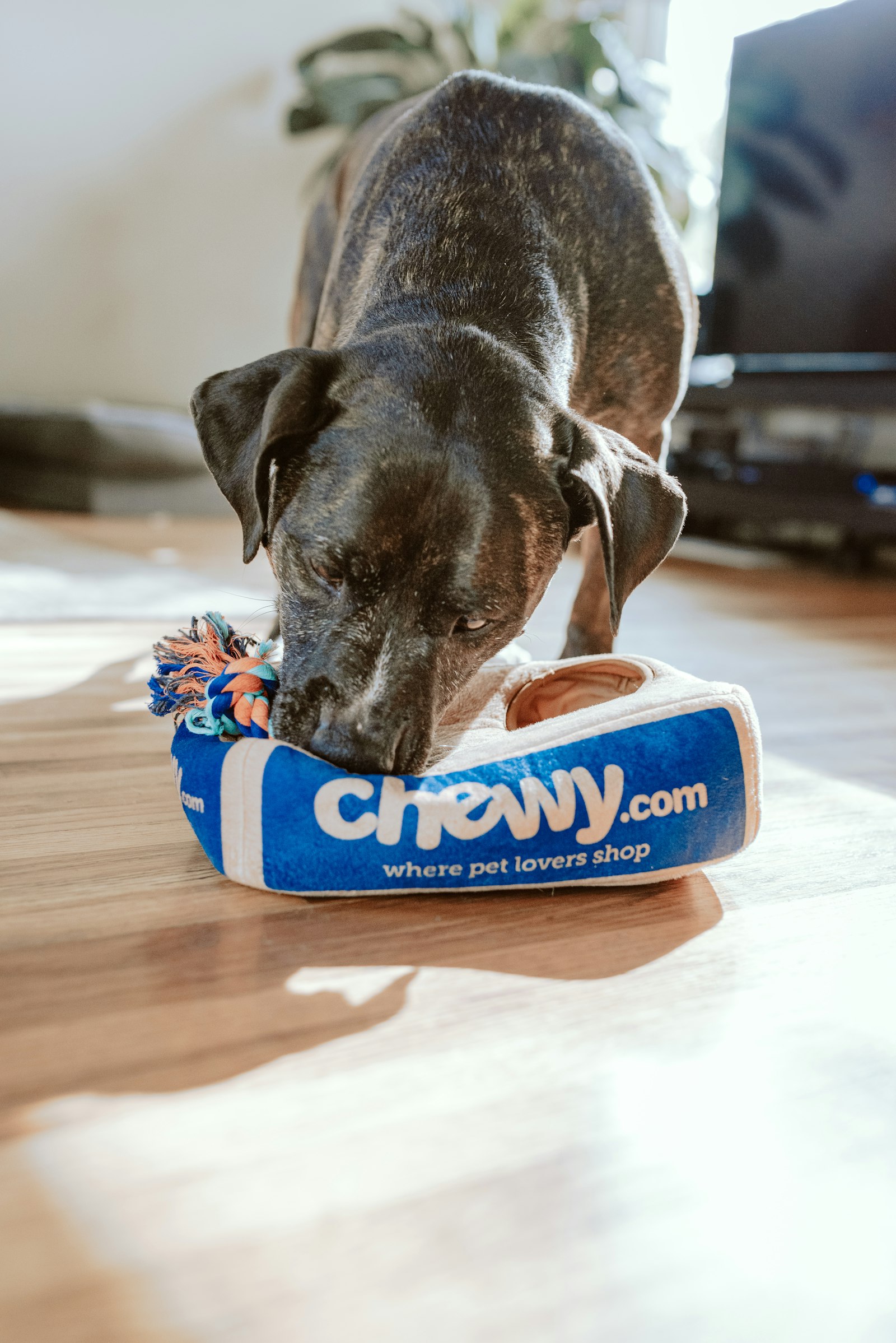
The Pill That Wants to Give Your Dog More Years
In February 2025, a US regulator said something extraordinary about a drug for dogs: that it was reasonably likely to slow ageing. Here is the science, the hope, and the honest caveats.
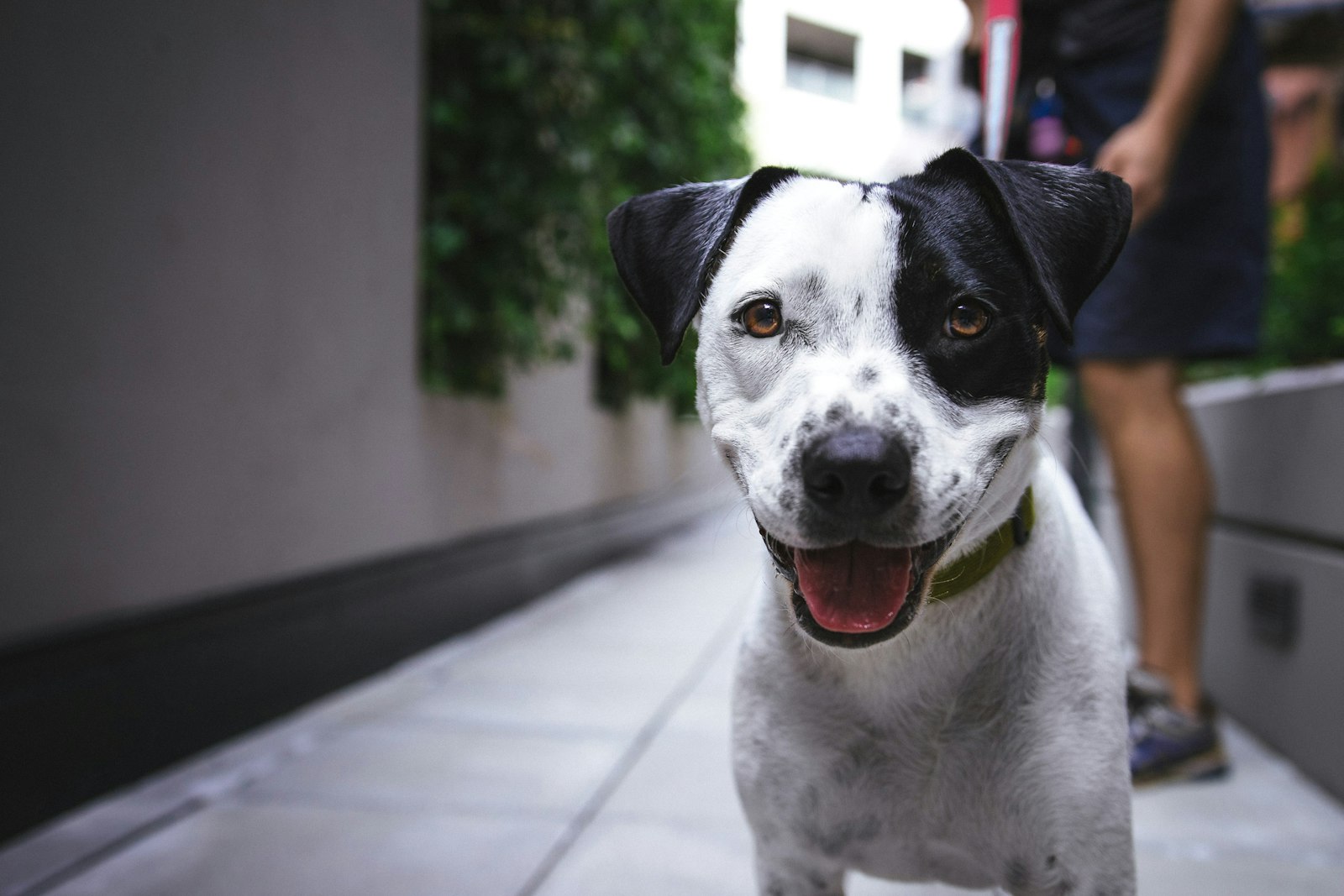
50,000 Dogs and the Search for the Reason They Age
The Dog Aging Project is the largest longitudinal study of ageing in any vertebrate species ever attempted. Its subject is the family dog. Its real quarry may be us.
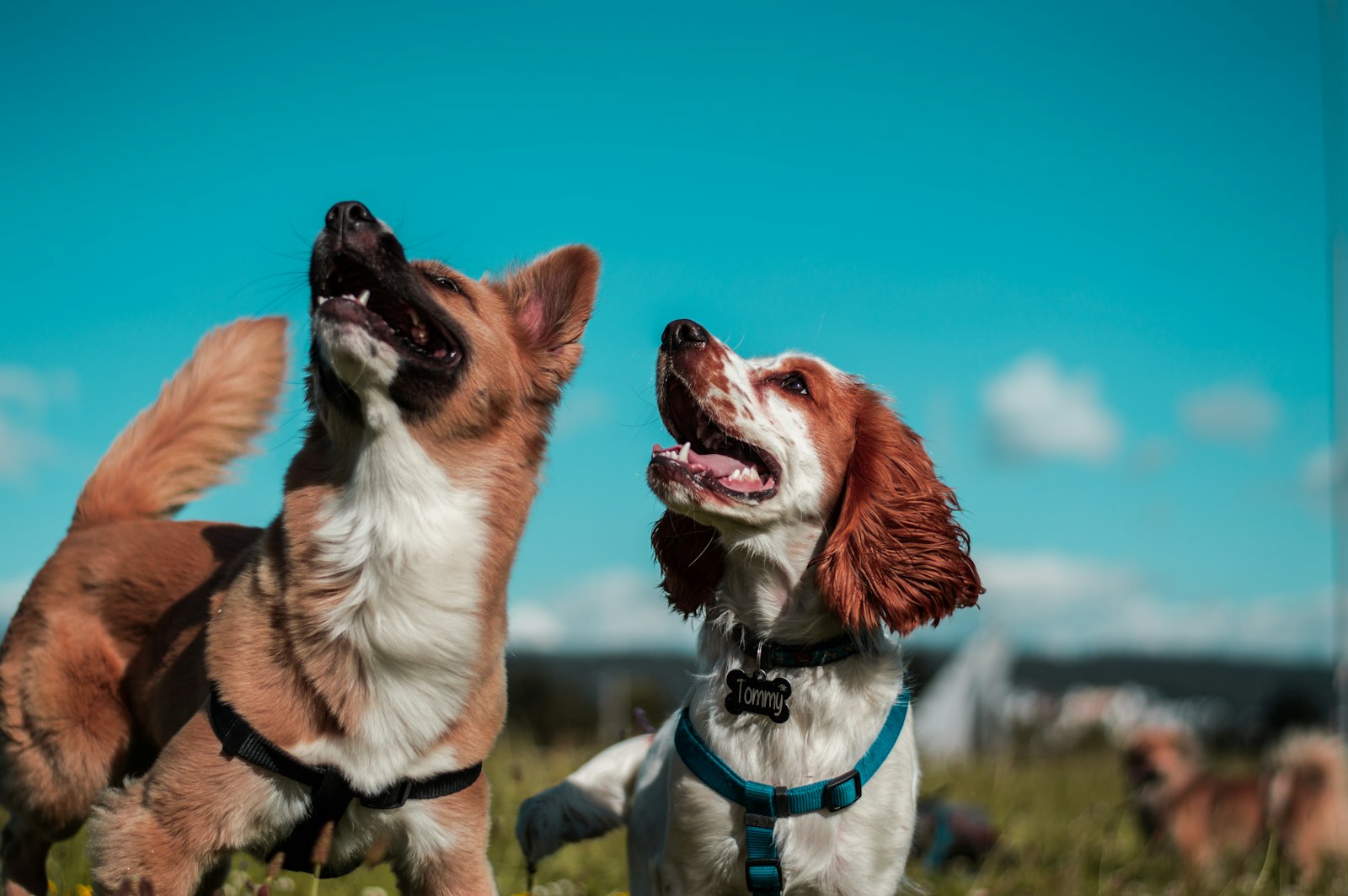
The Last Good Year
Modern veterinary medicine can keep an old dog alive longer than ever before — which makes the hardest question harder still: when is a life still a good one?

Why Your Dog Needs Better Sleep
Owners obsess over food and walks. But the science of canine sleep reveals it may be the single most important — and most ignored — factor in how long, and how well, your dog lives.
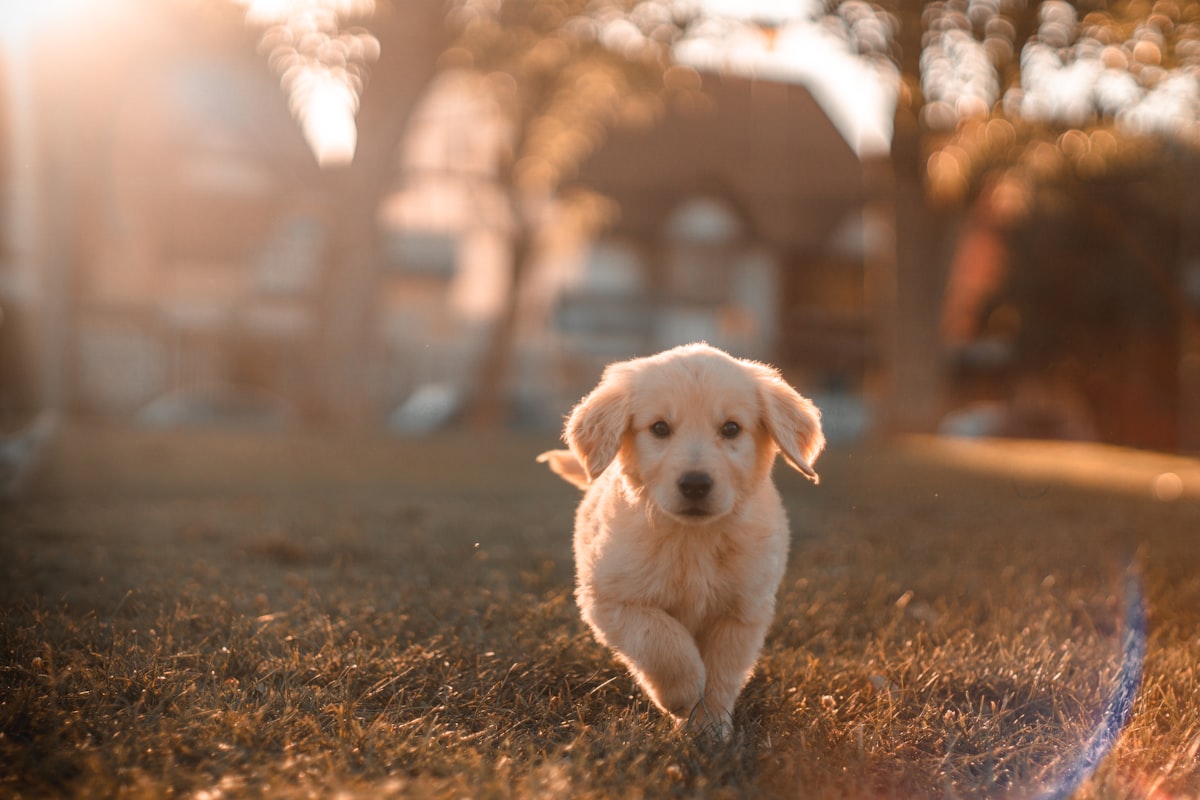
The Last Vet on Call
Emergency veterinary medicine runs on love — the client's for their animal, and the vet's for their calling. What happens inside an emergency practice after midnight is a story about the cost of both.
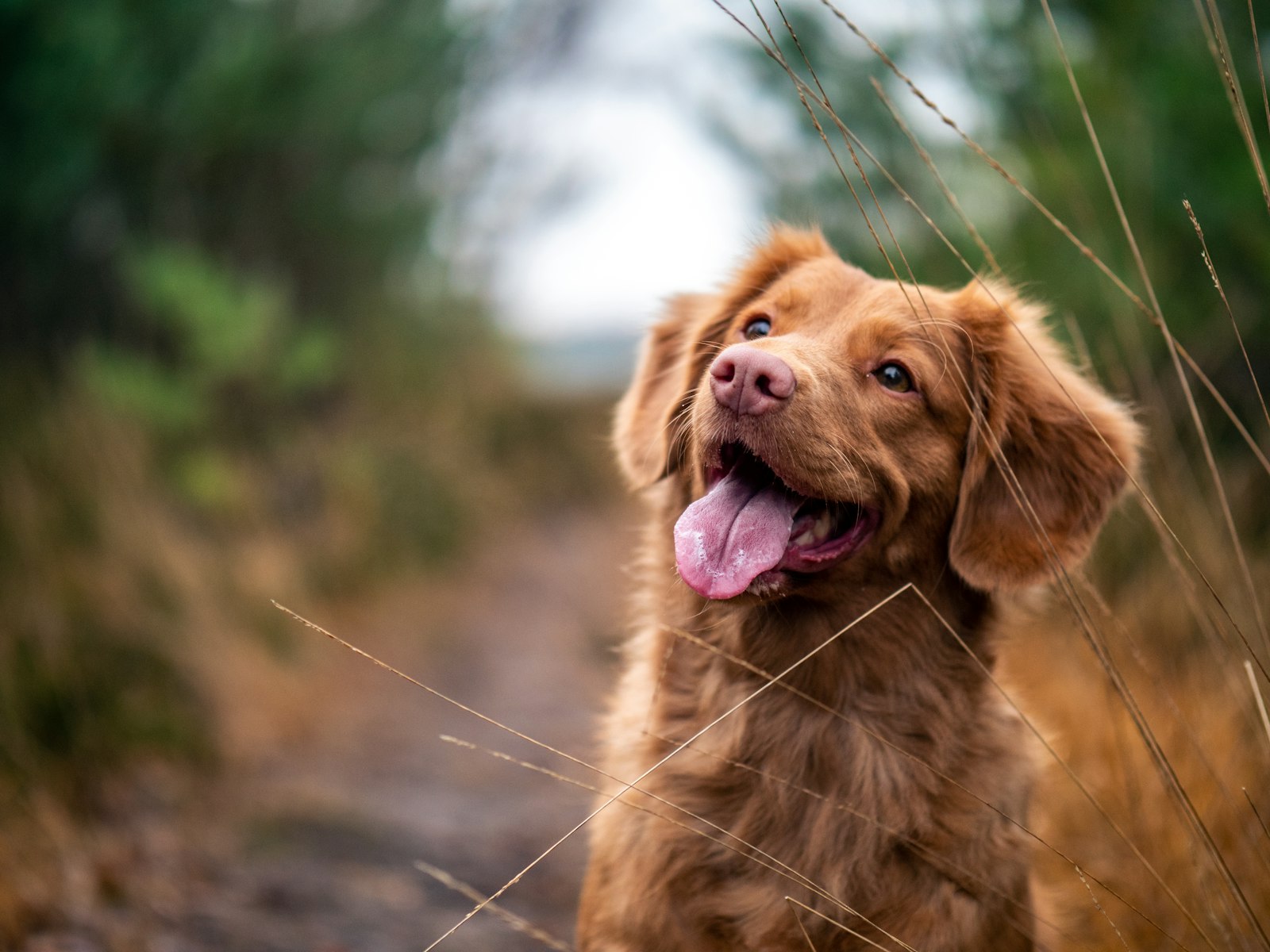
The People Who Won't Stop
Every week, someone in a rescue network says yes one more time — to another dog, another litter, another case no one else will take. The science of what drives them, and what it costs.
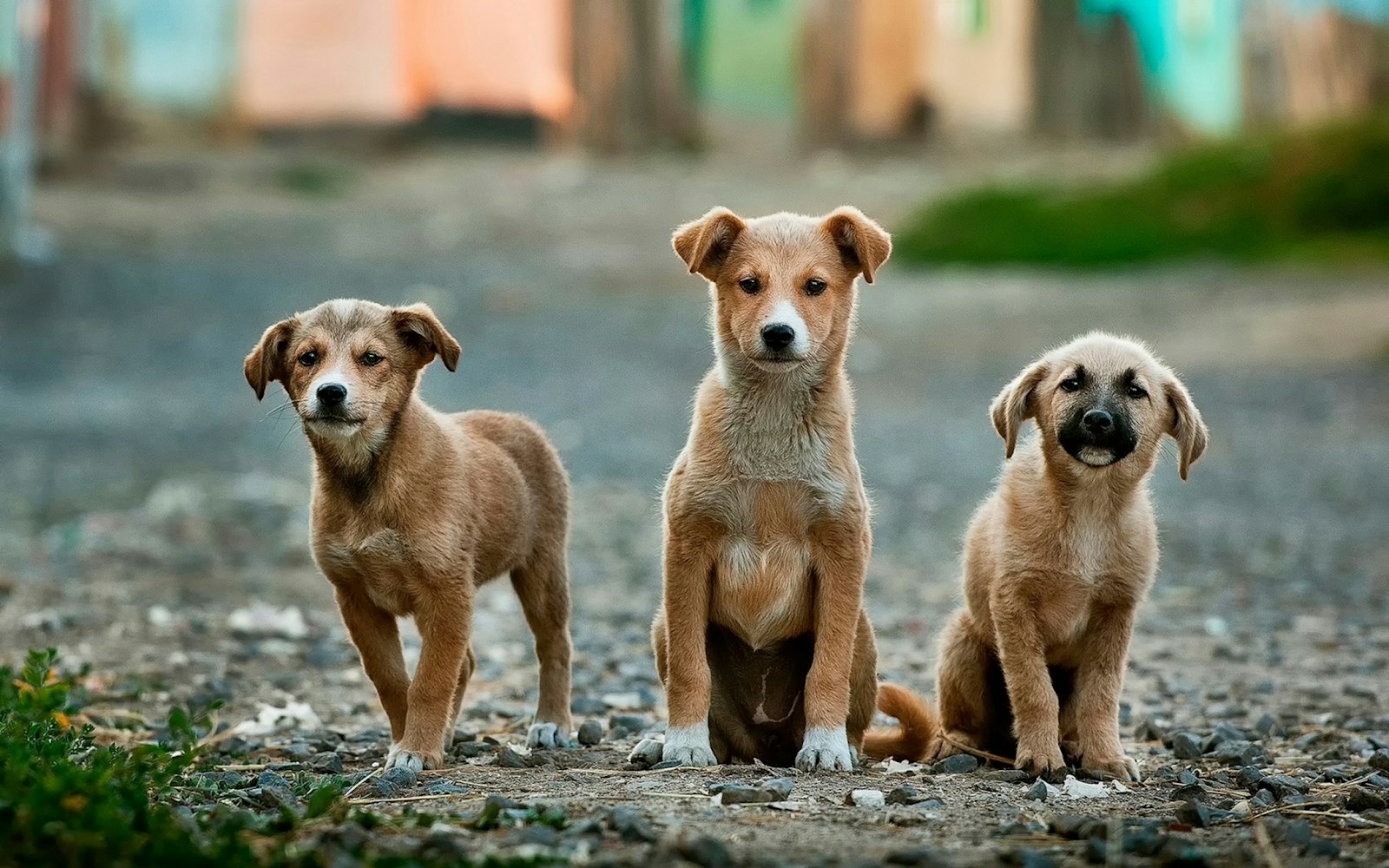
A Dog at the End of the Leash
For people experiencing homelessness, a dog is family, security, and the last loyal thing. It is also, too often, the reason a shelter turns them away.
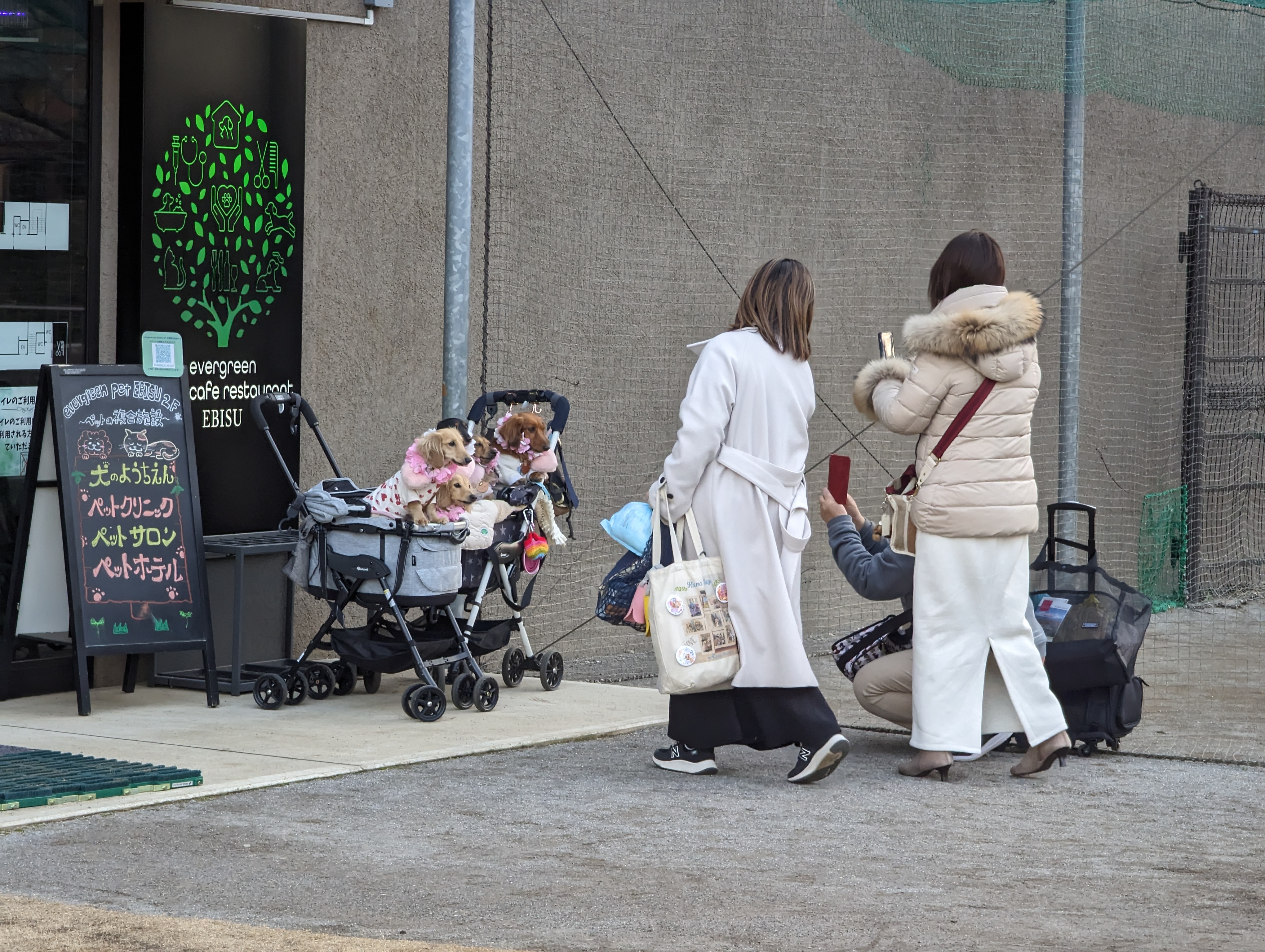 Ho Chi Minh City
Dog Cafes, Morning Parks and Midnight Zalo: HCMC's Dog-Loving Community
Ho Chi Minh City's young dog owners have built something unexpected: a warm, coffee-fuelled, park-haunting community that meets at sunrise, argues about kibble on Zalo at midnight, and is quietly rewriting what it means to share a city with a dog.
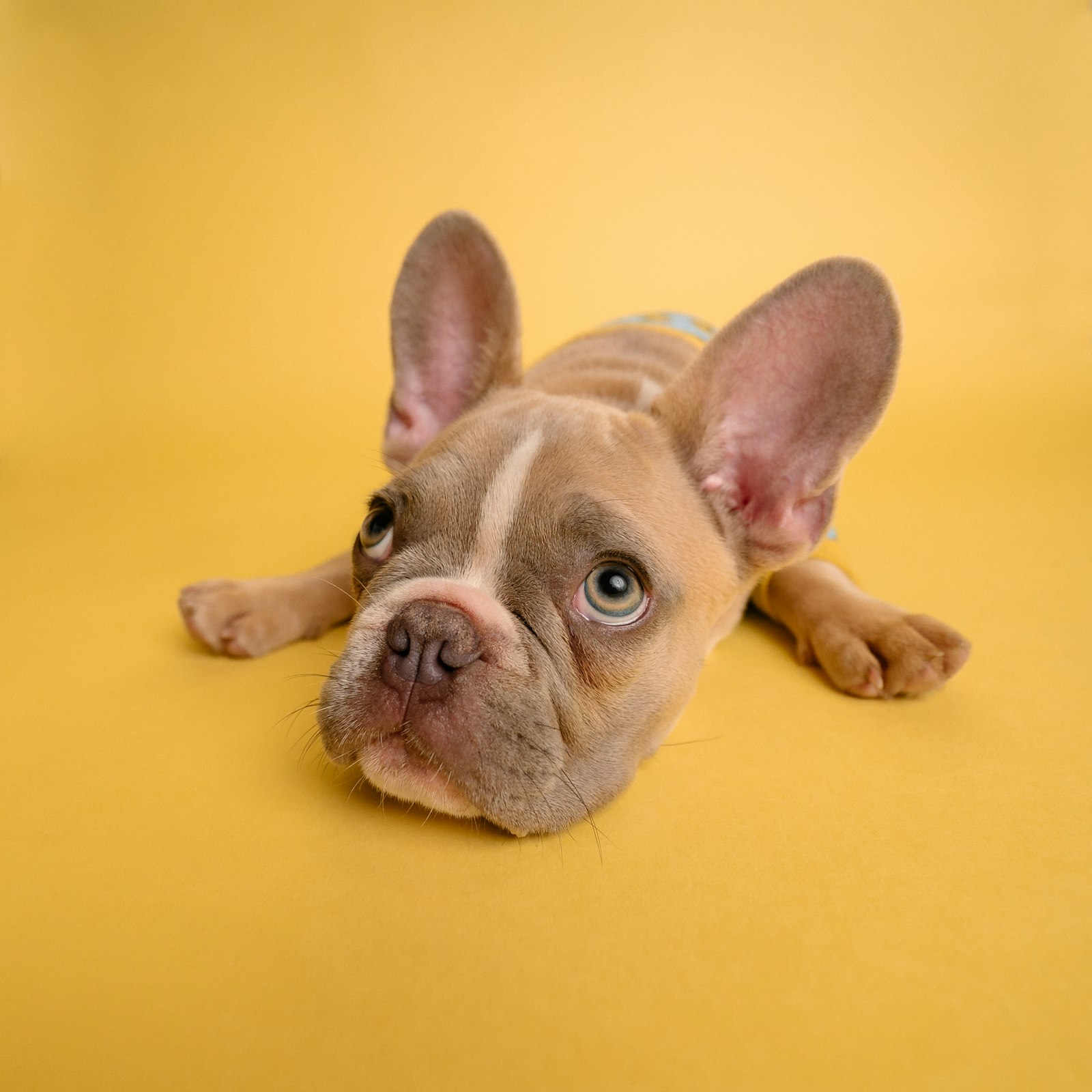
The Price of a Cute Face
We bred dogs to look like babies — short noses, big eyes, rounded skulls — and gave them lungs that can't breathe. The brachycephalic welfare crisis is hiding in plain sight behind a viral aesthetic.
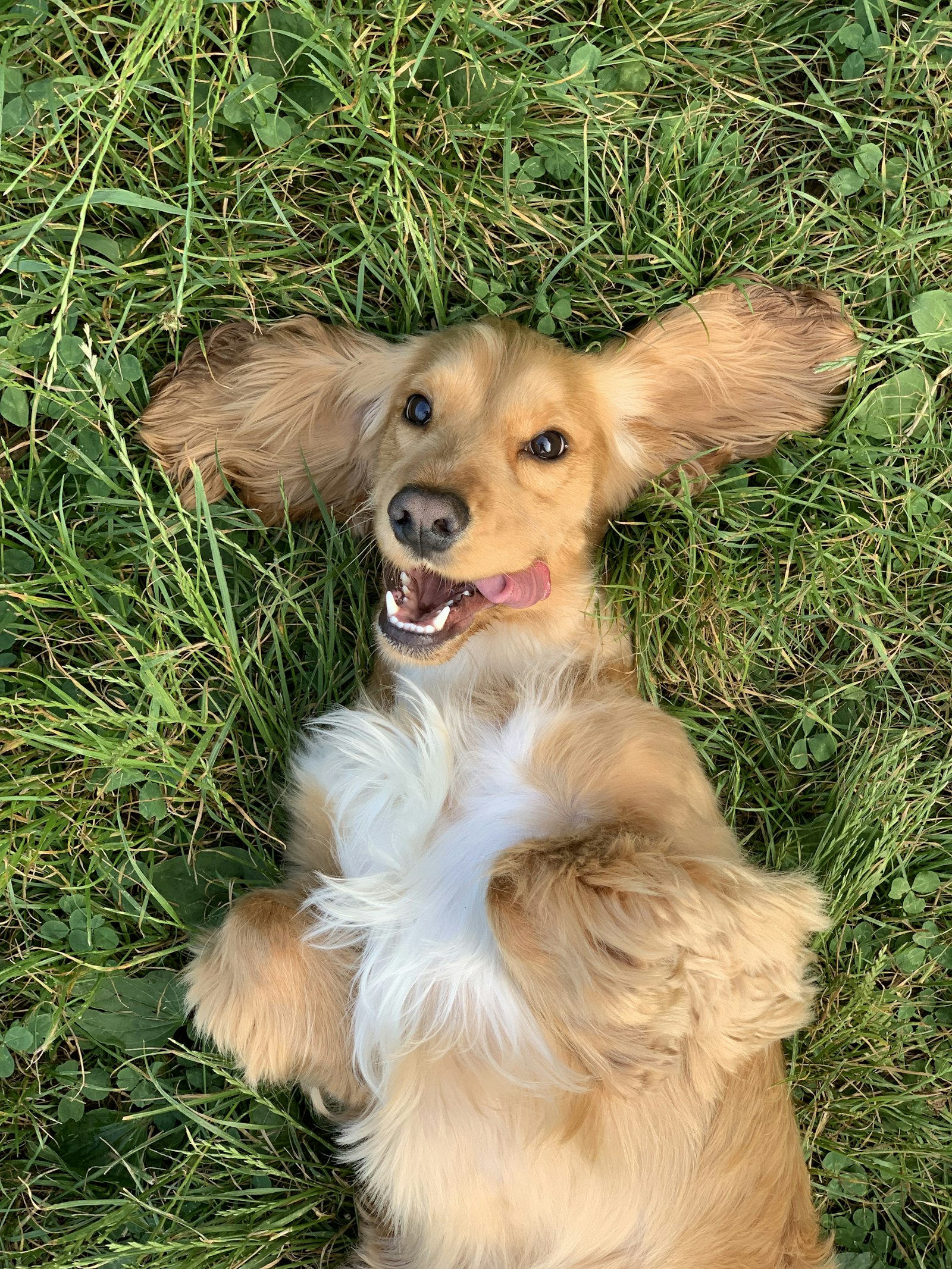
Purebred
The pedigree dog was a Victorian invention. A century and a half later, the closed studbook — its defining rule — is colliding with the genetics of health. What happens when a tradition becomes a liability?
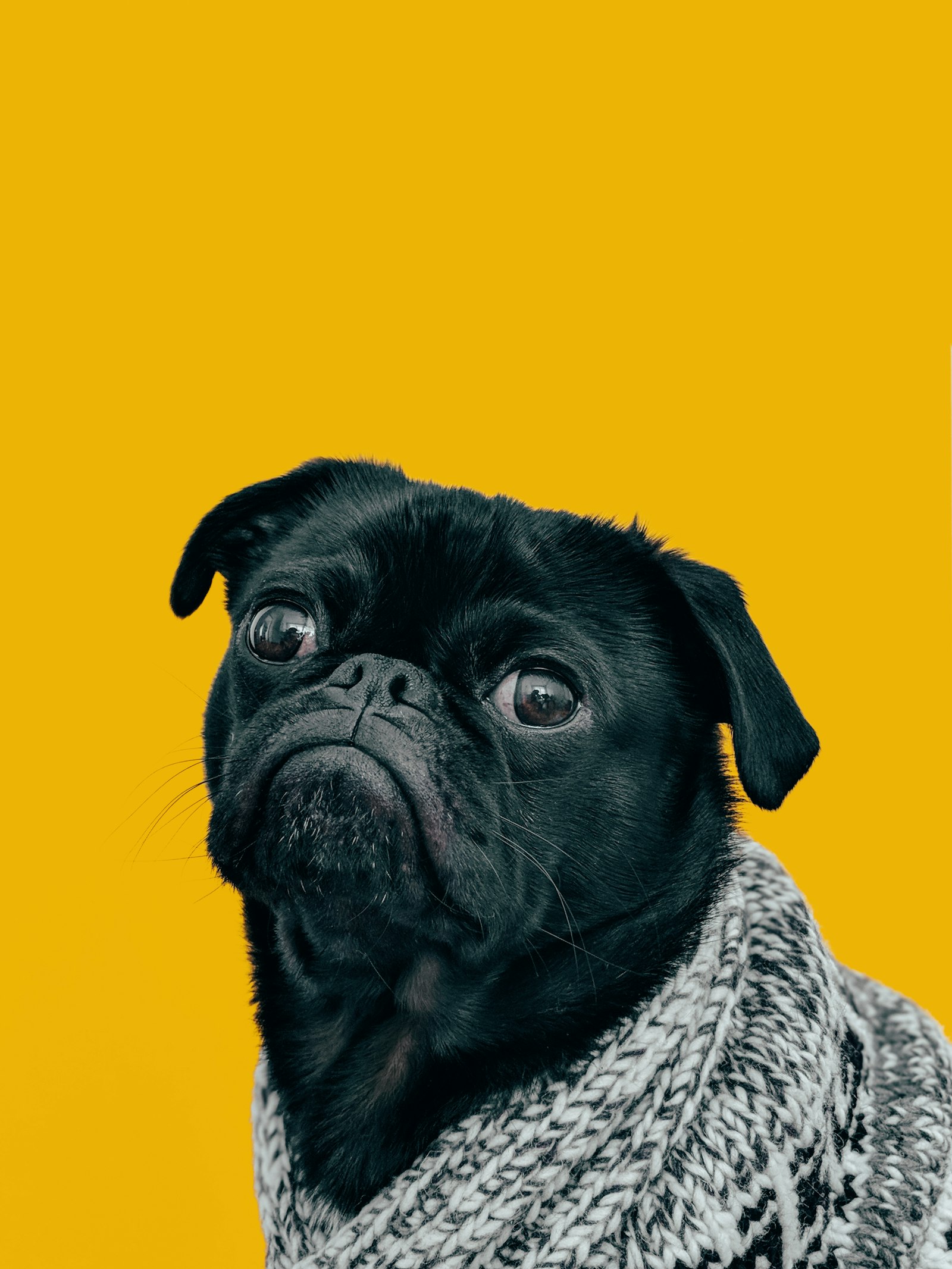
Adopt, Don't Shop — But It's Complicated
The slogan is everywhere. The reality of shelter intake, return rates, breed bans, and "no-kill" mathematics is messier — and more interesting — than any four words can hold.
🇻🇳 Vietnam Originals
Vietnam OriginalsVietnam's Royal Dog: The Phu Quoc Ridgeback and Its Ancient Island Heritage
One of the world's rarest dog breeds was born on a Vietnamese island, earned a royal title from an emperor, and nearly vanished from history. The Phu Quoc Ridgeback — Vietnam's only indigenous dog — is finally getting the recognition it has always deserved.
Vietnam OriginalsDog Cafes, Morning Parks and Midnight Zalo: HCMC's Dog-Loving Community
Ho Chi Minh City's young dog owners have built something unexpected: a warm, coffee-fuelled, park-haunting community that meets at sunrise, argues about kibble on Zalo at midnight, and is quietly rewriting what it means to share a city with a dog.
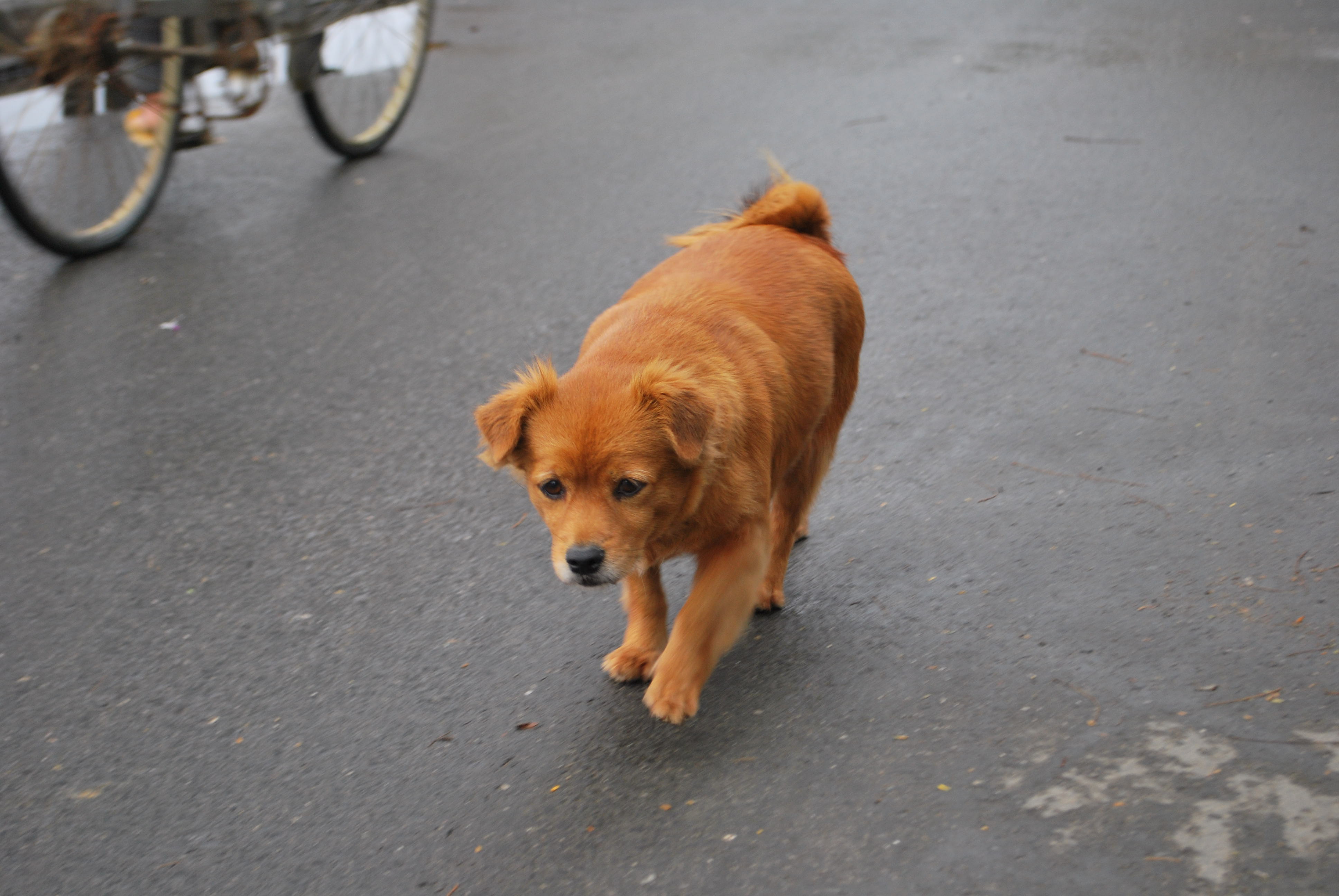 Vietnam Originals
Heat, Humidity and Your Dog: The Science of Keeping Dogs Safe in Ho Chi Minh City
Ho Chi Minh City averages 34°C with humidity nudging 85 percent — conditions that overwhelm a dog's cooling system faster than most owners realise. Understanding the physiology of canine thermoregulation could save your dog's life.
Vietnam OriginalsFour Thousand Years of Partnership: The Ancient Genetics of Vietnam's Native Dogs
Every chó ta on a Saigon street corner is a living archive. The mixed-breed dogs of Southeast Asia carry within their genomes a record of human civilisation that purebred dogs have largely lost — and what geneticists are finding there is extraordinary.