



Read
Long-form features on the science, culture, longevity and ethics of life with dogs. Reported, researched and evidence-based.
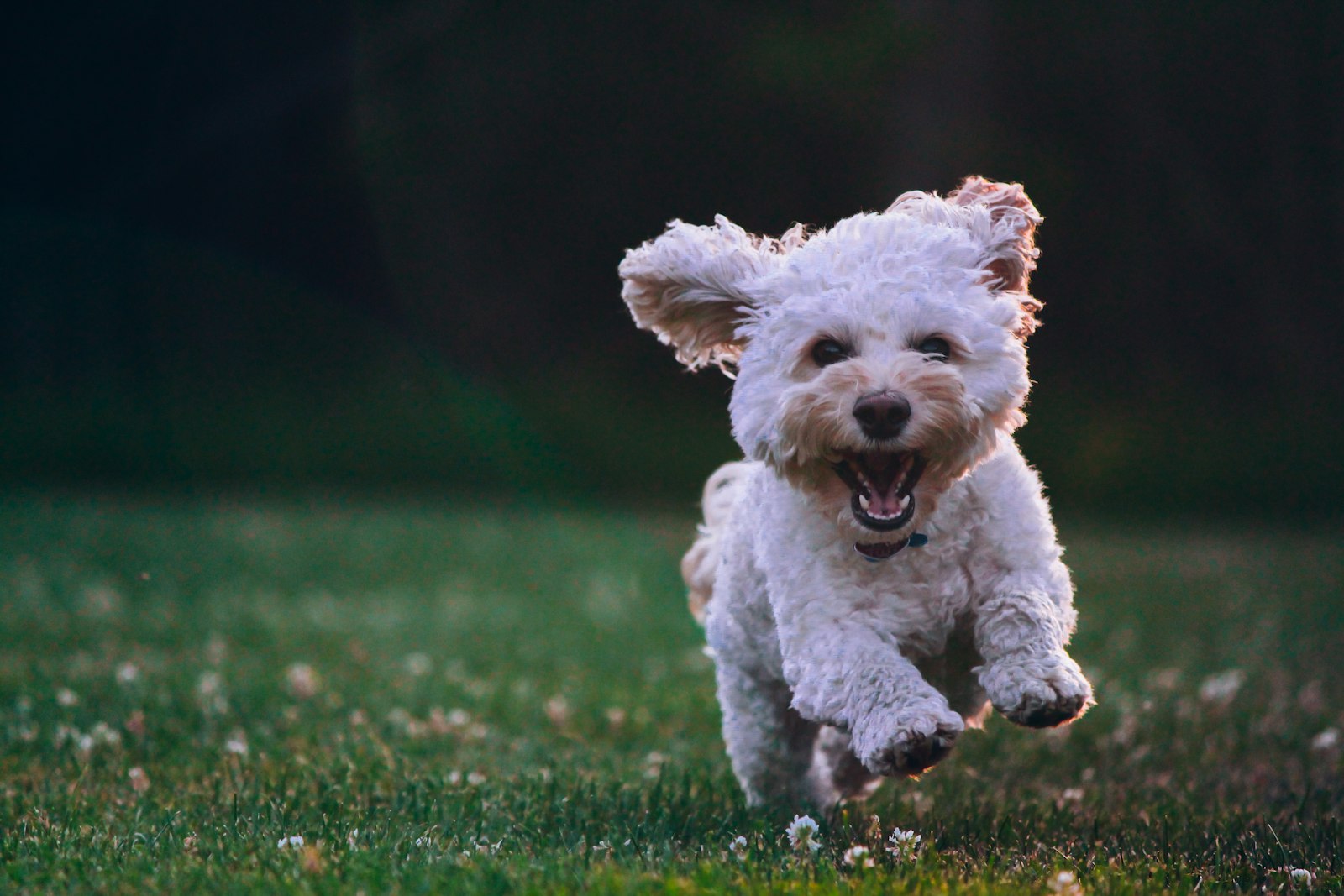
The 9 Percent: What Your Dog's Breed Actually Predicts
A landmark study of 18,000 dogs upended what we thought we knew about breed and behaviour. It turns out a label tells you surprisingly little about the dog in front of you.
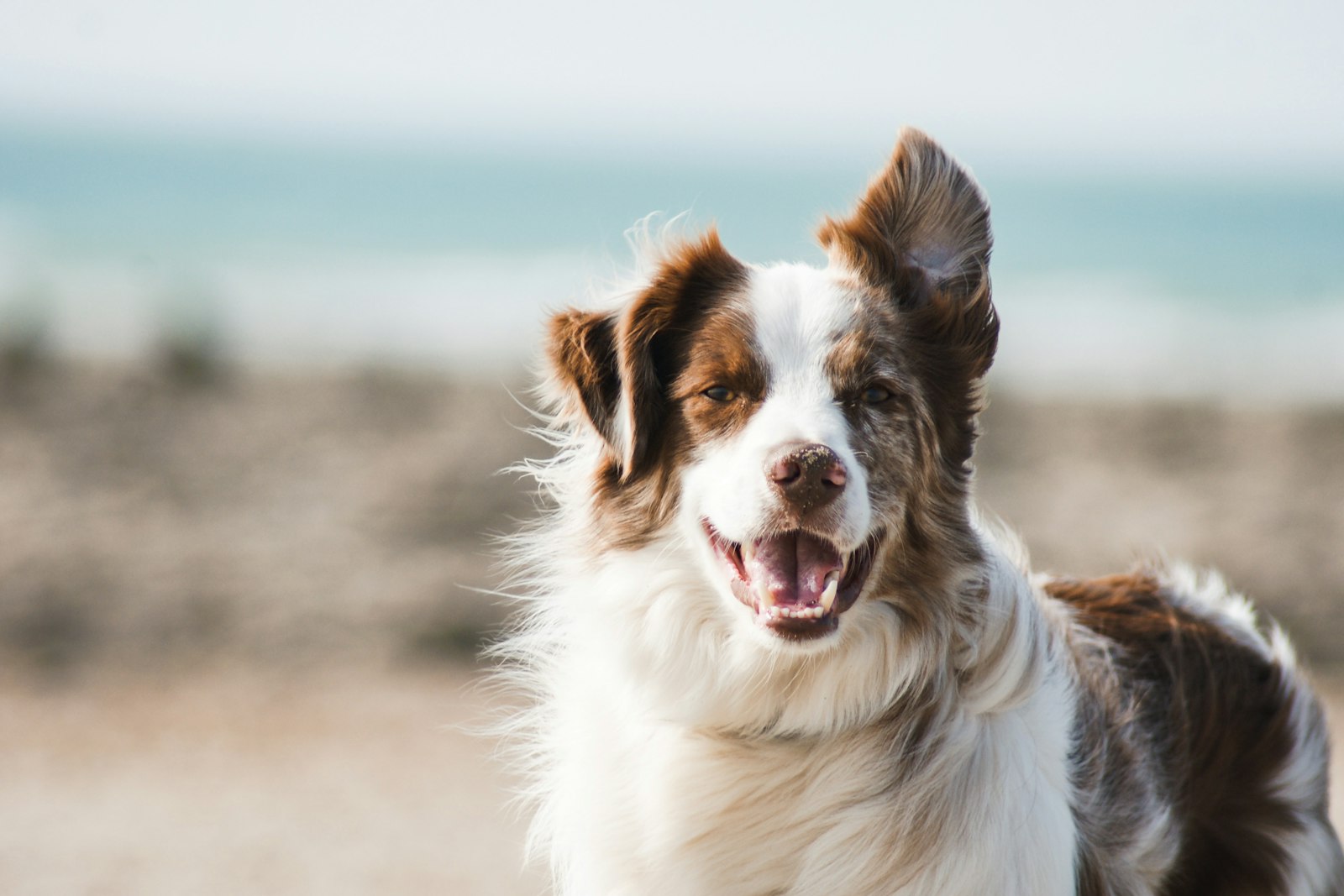
The Look That Made Us Family
When your dog meets your eyes, a chemical loop fires in both brains — the same oxytocin system that bonds a mother to her newborn. The science of a glance explains thirty thousand years of alliance.
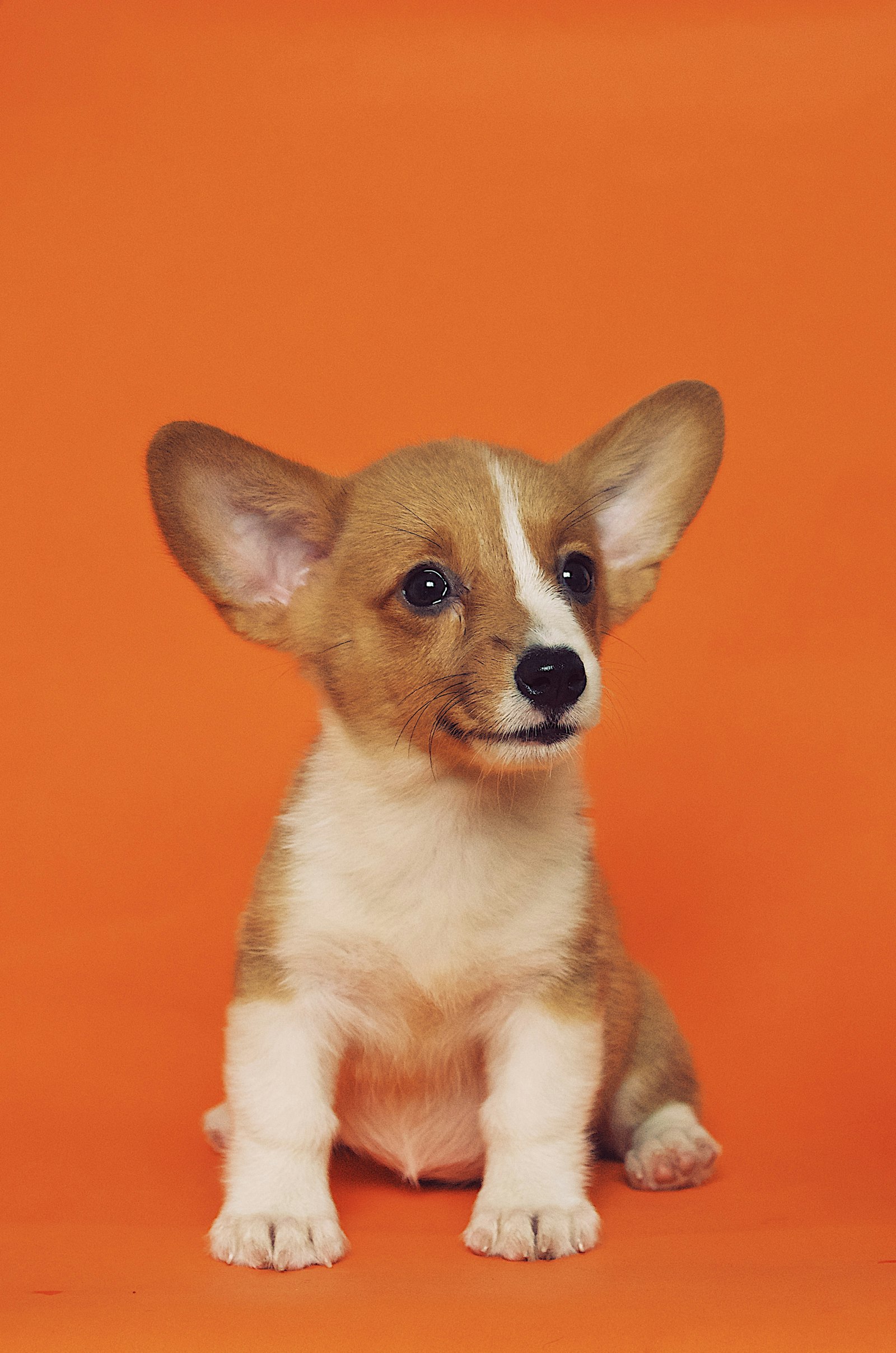
A World Written in Smell
A dog's nose isn't a better version of ours — it is an entirely different way of reading the world, one that turns a single sniff into a story of time, distance, and recent memory.
 Auckland
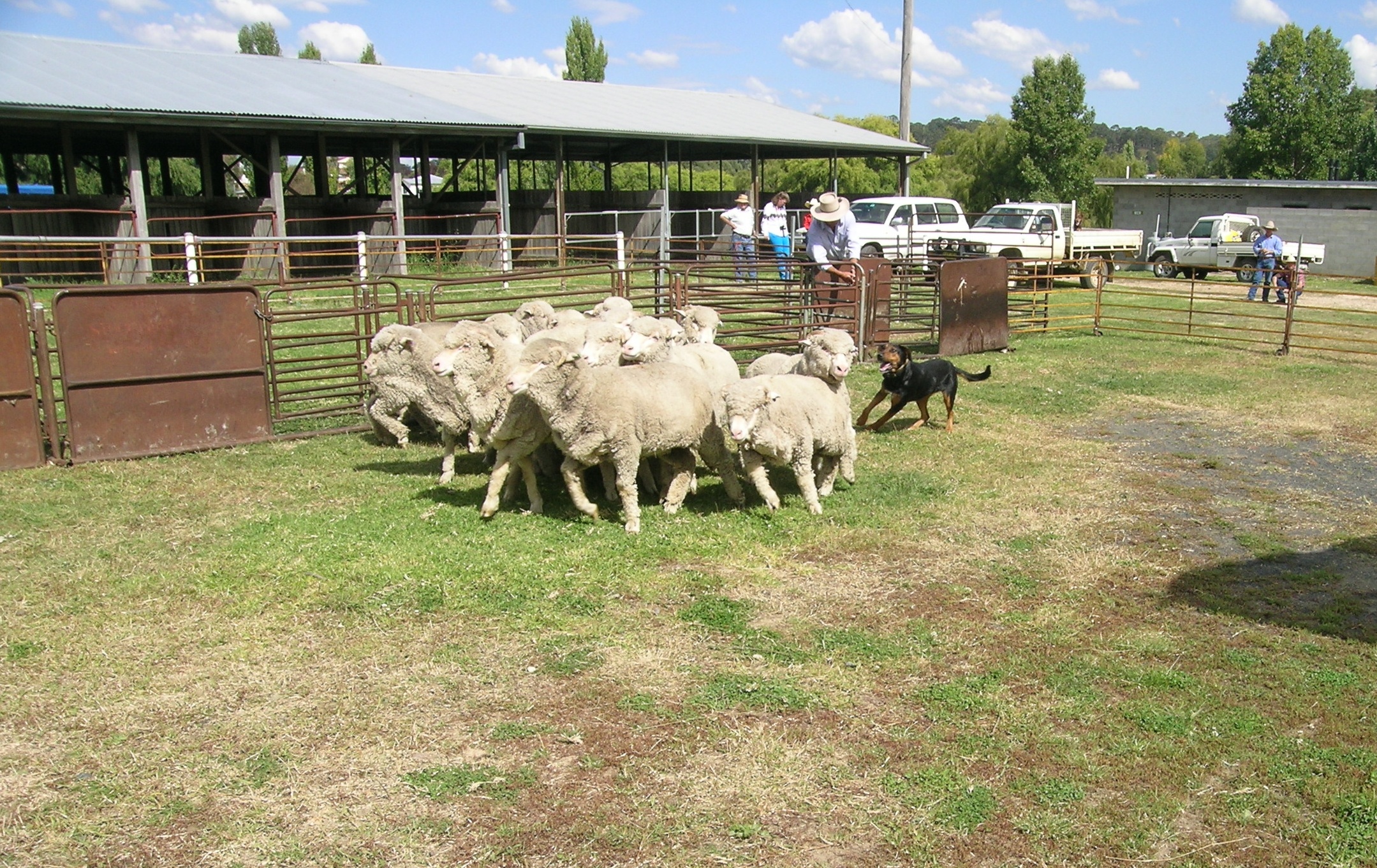
Born to Bark: The Dog New Zealand Made
Every sheepdog tradition in the world prized silence and stealth. Then New Zealand bred something completely different — a dog that drives sheep by making as much noise as possible. The Huntaway is the only dog breed indigenous to New Zealand, and its story is the story of this country.
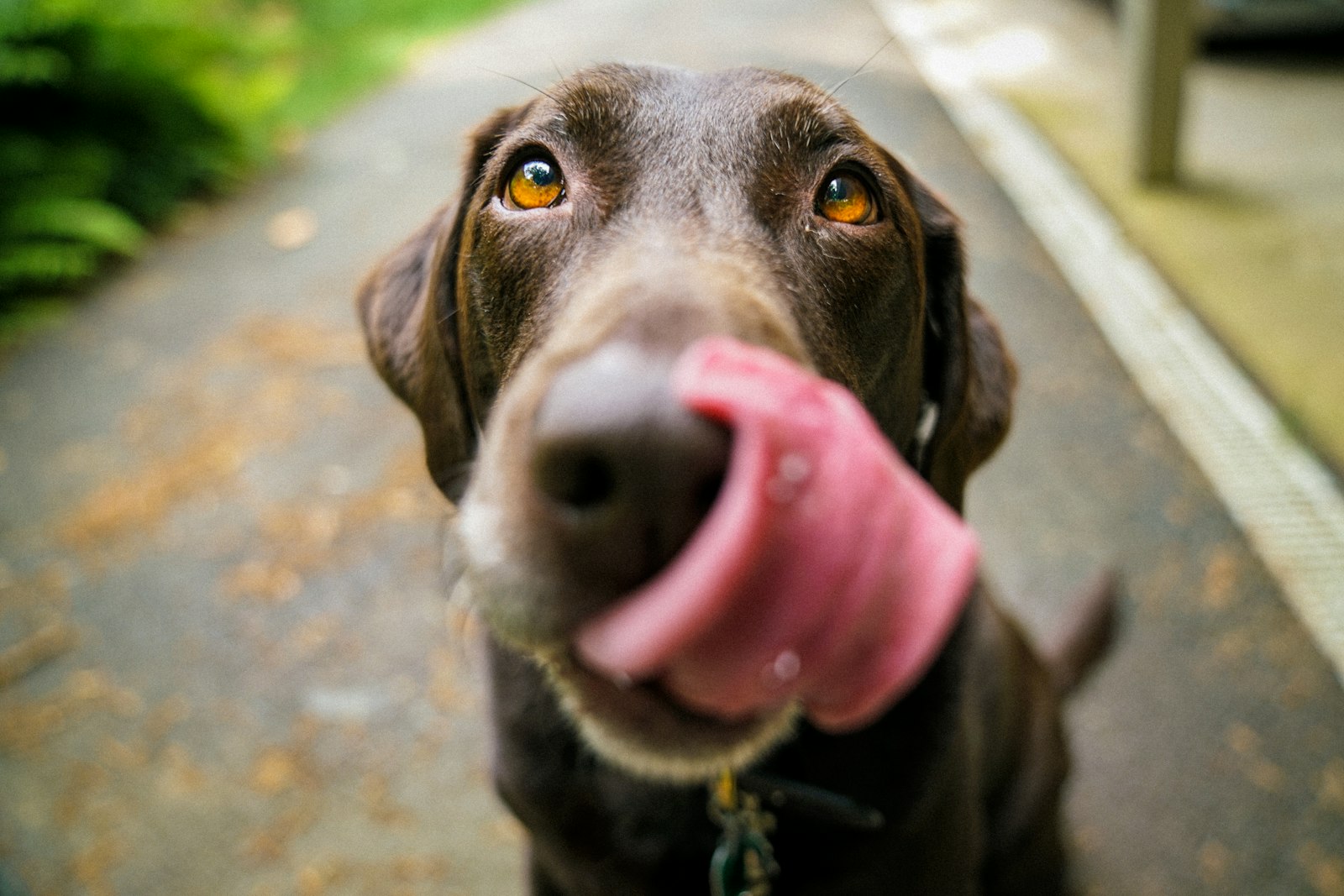
The Grief That Has No Name
Losing a dog can hurt as much as losing a person — sometimes more. And yet society offers almost no permission to grieve. Here is the science that explains why, and the case for taking pet loss seriously.
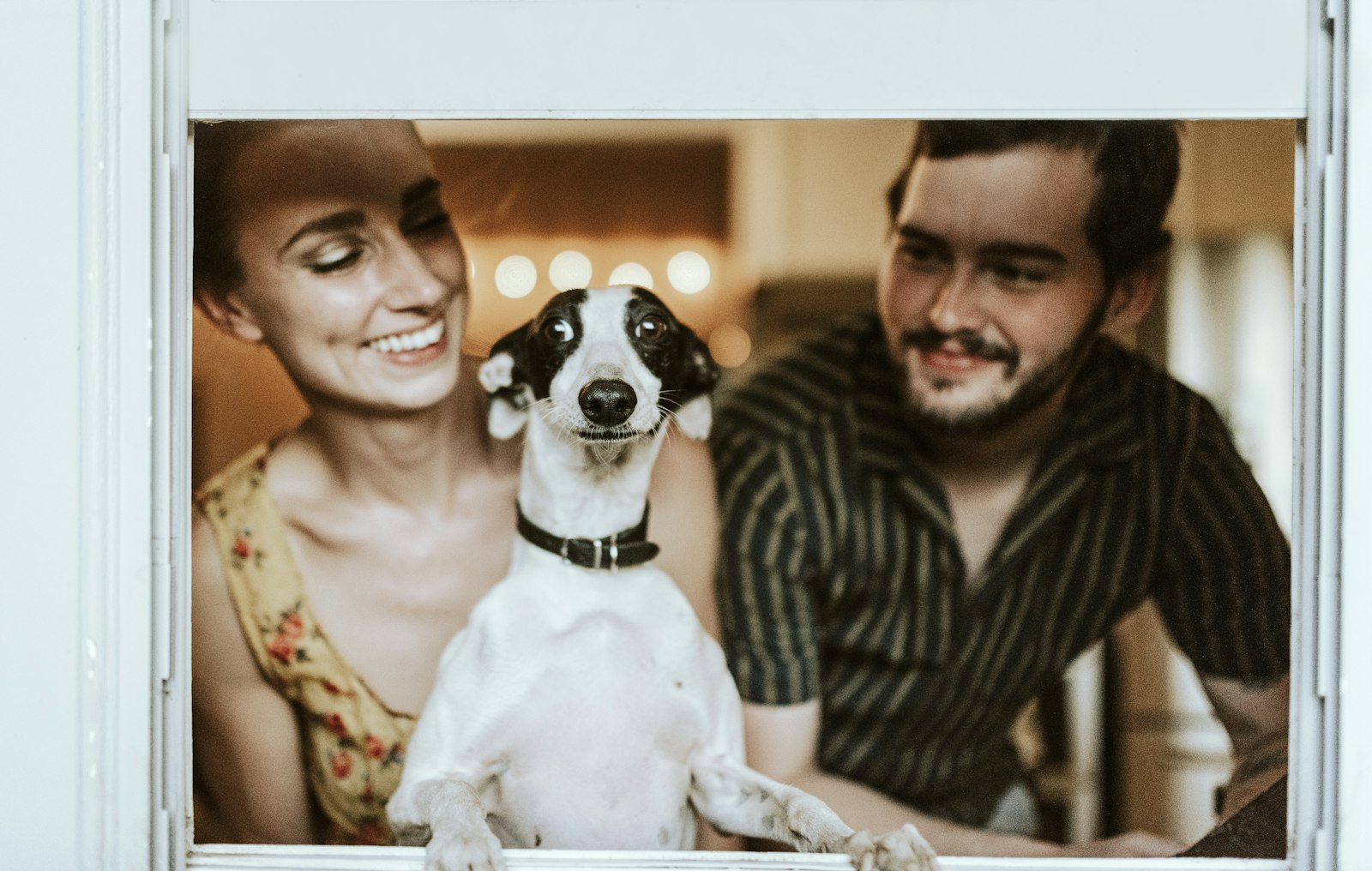
How the Dog Got Into the Bed
A century ago the family dog slept in the yard. Today it sleeps on the duvet. The story of how that happened is a story about what we decided we needed from animals — and from each other.

The Friendliest Gene
Dogs may carry a genetic signature of extreme sociability — a canine echo of a rare human condition in which strangers feel, immediately and overwhelmingly, like friends. New genomic research suggests the bond between dogs and humans is written into the genome itself.
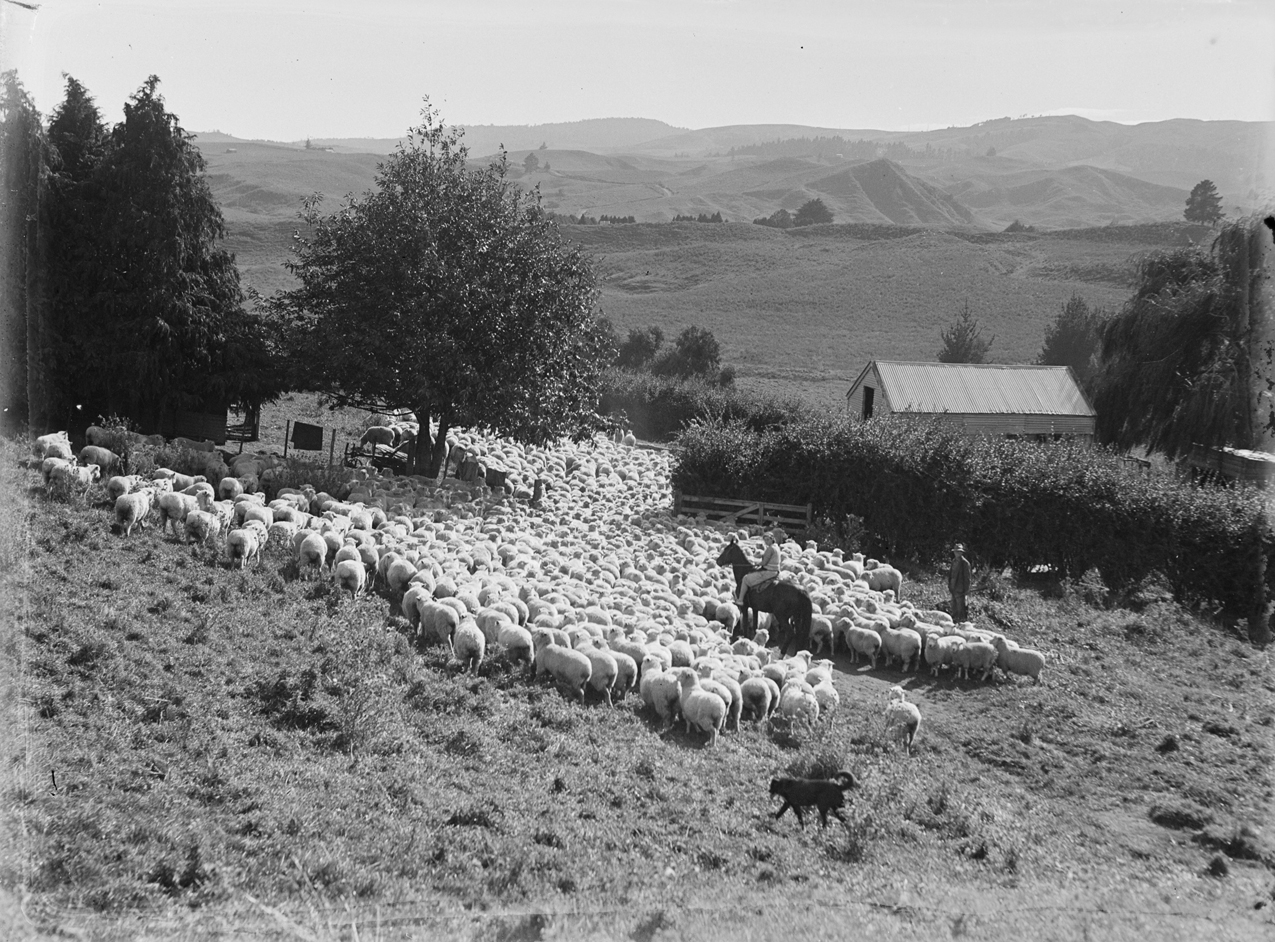 Auckland
The Dogs That Built New Zealand
Without the working dog, the pastoral economy that made New Zealand prosperous would not exist. Two hundred thousand of them still work the hills today. For the first time, scientists have gone out to the farms to ask: how are they actually doing?

The Pill That Wants to Give Your Dog More Years
In February 2025, a US regulator said something extraordinary about a drug for dogs: that it was reasonably likely to slow ageing. Here is the science, the hope, and the honest caveats.
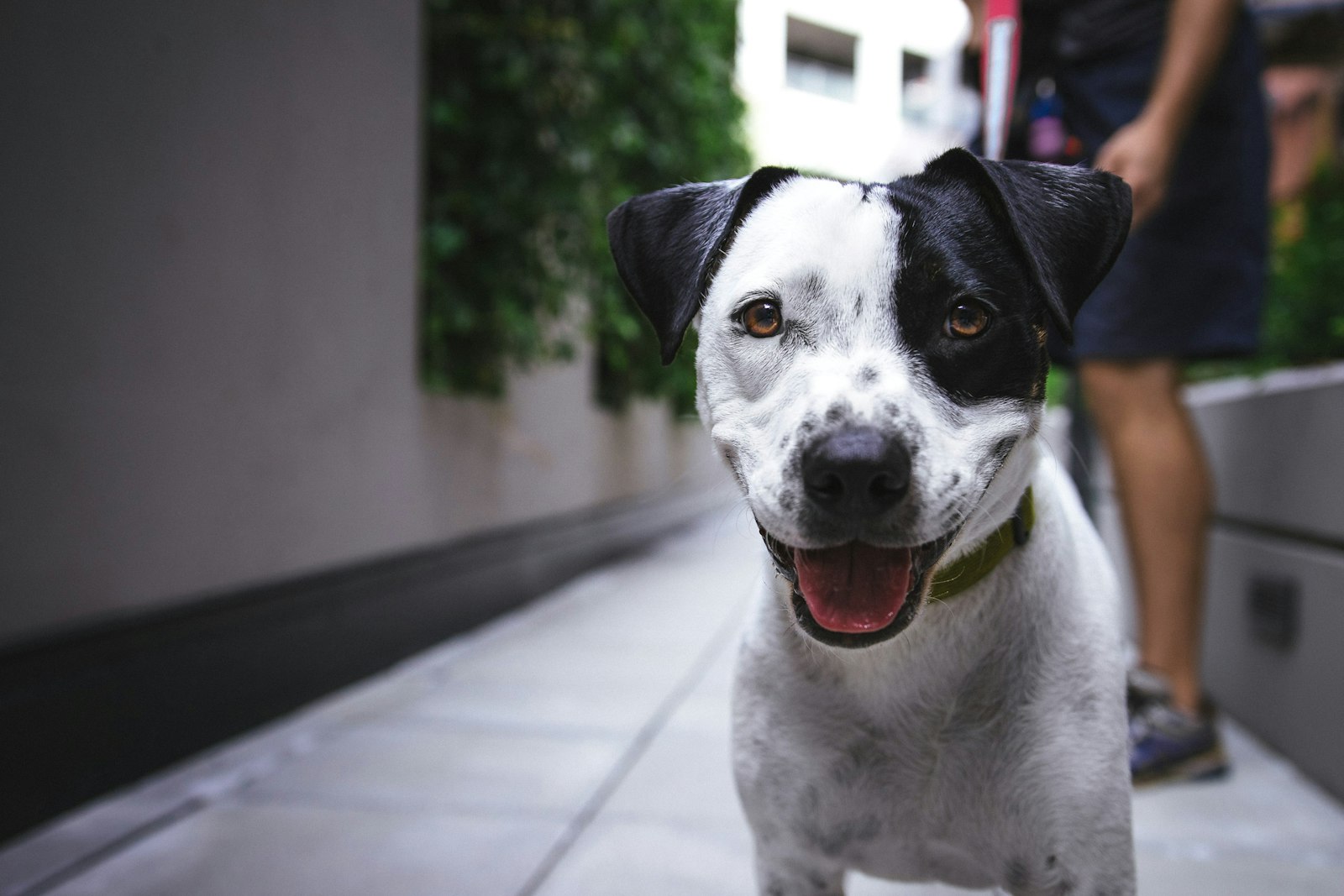
50,000 Dogs and the Search for the Reason They Age
The Dog Aging Project is the largest longitudinal study of ageing in any vertebrate species ever attempted. Its subject is the family dog. Its real quarry may be us.
The Last Good Year
Modern veterinary medicine can keep an old dog alive longer than ever before — which makes the hardest question harder still: when is a life still a good one?

Why Your Dog Needs Better Sleep
Owners obsess over food and walks. But the science of canine sleep reveals it may be the single most important — and most ignored — factor in how long, and how well, your dog lives.
The Last Vet on Call
Emergency veterinary medicine runs on love — the client's for their animal, and the vet's for their calling. What happens inside an emergency practice after midnight is a story about the cost of both.
The People Who Won't Stop
Every week, someone in a rescue network says yes one more time — to another dog, another litter, another case no one else will take. The science of what drives them, and what it costs.
A Dog at the End of the Leash
For people experiencing homelessness, a dog is family, security, and the last loyal thing. It is also, too often, the reason a shelter turns them away.
 Auckland
Why Wellington Gets Dogs Right
Wellington has 66 off-leash areas, the lowest dog attack rate of any major New Zealand city, and a community so invested in how dogs live here that 3,139 people submitted on a single bylaw. It is the most dog-friendly city in New Zealand. Here is what it did differently.

The Price of a Cute Face
We bred dogs to look like babies — short noses, big eyes, rounded skulls — and gave them lungs that can't breathe. The brachycephalic welfare crisis is hiding in plain sight behind a viral aesthetic.

Purebred
The pedigree dog was a Victorian invention. A century and a half later, the closed studbook — its defining rule — is colliding with the genetics of health. What happens when a tradition becomes a liability?

Adopt, Don't Shop — But It's Complicated
The slogan is everywhere. The reality of shelter intake, return rates, breed bans, and "no-kill" mathematics is messier — and more interesting — than any four words can hold.
 Auckland
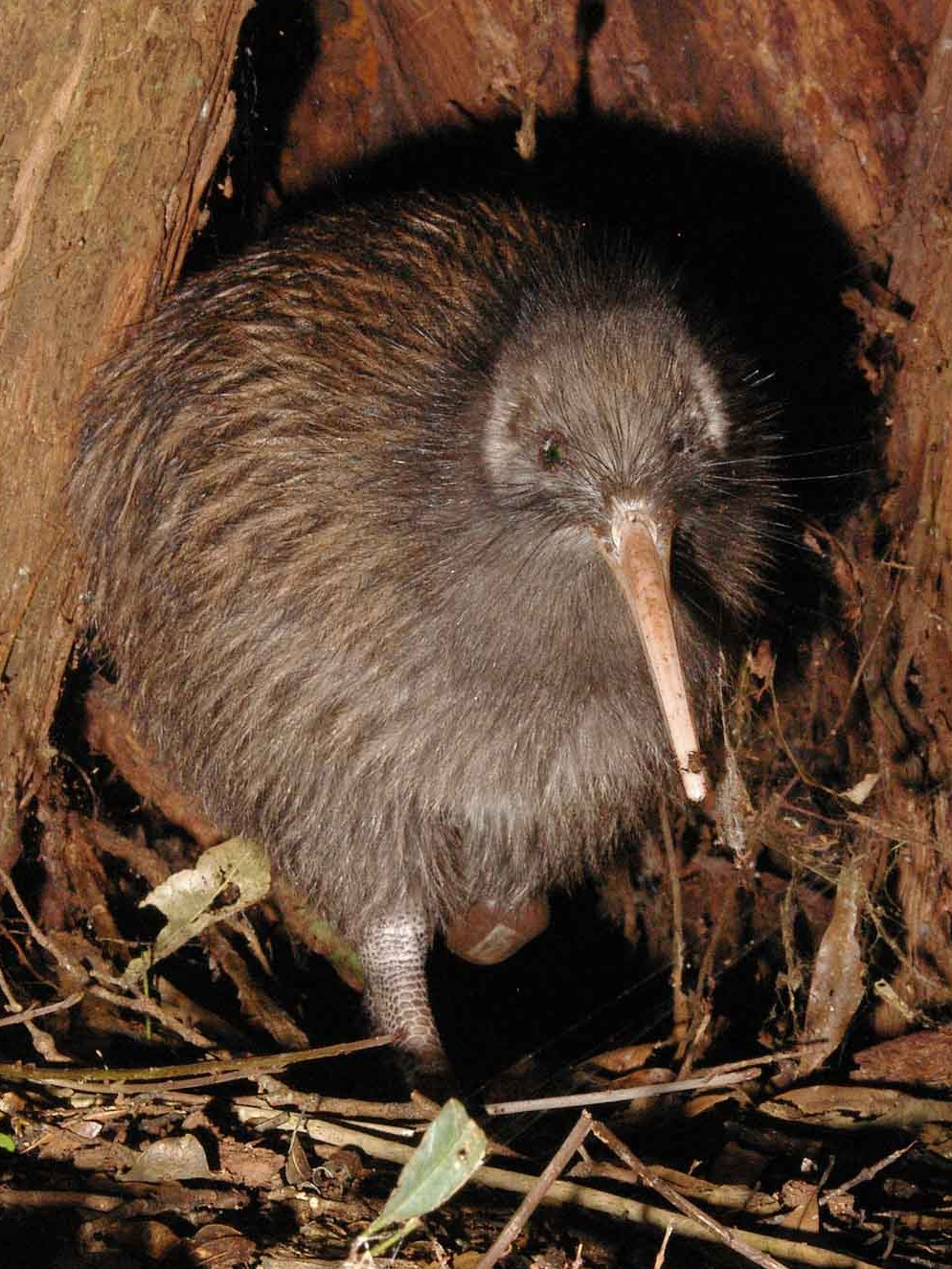
The Fence That Brought Kiwi Back to Wellington
Running through the suburbs of New Zealand's capital is an 8.6-kilometre wildlife fence — one of the longest urban pest-exclusion barriers on Earth. It keeps out 14 mammal species. Inside, kiwi walk free in a capital city for the first time in over a century.
🇳🇿 New Zealand Originals
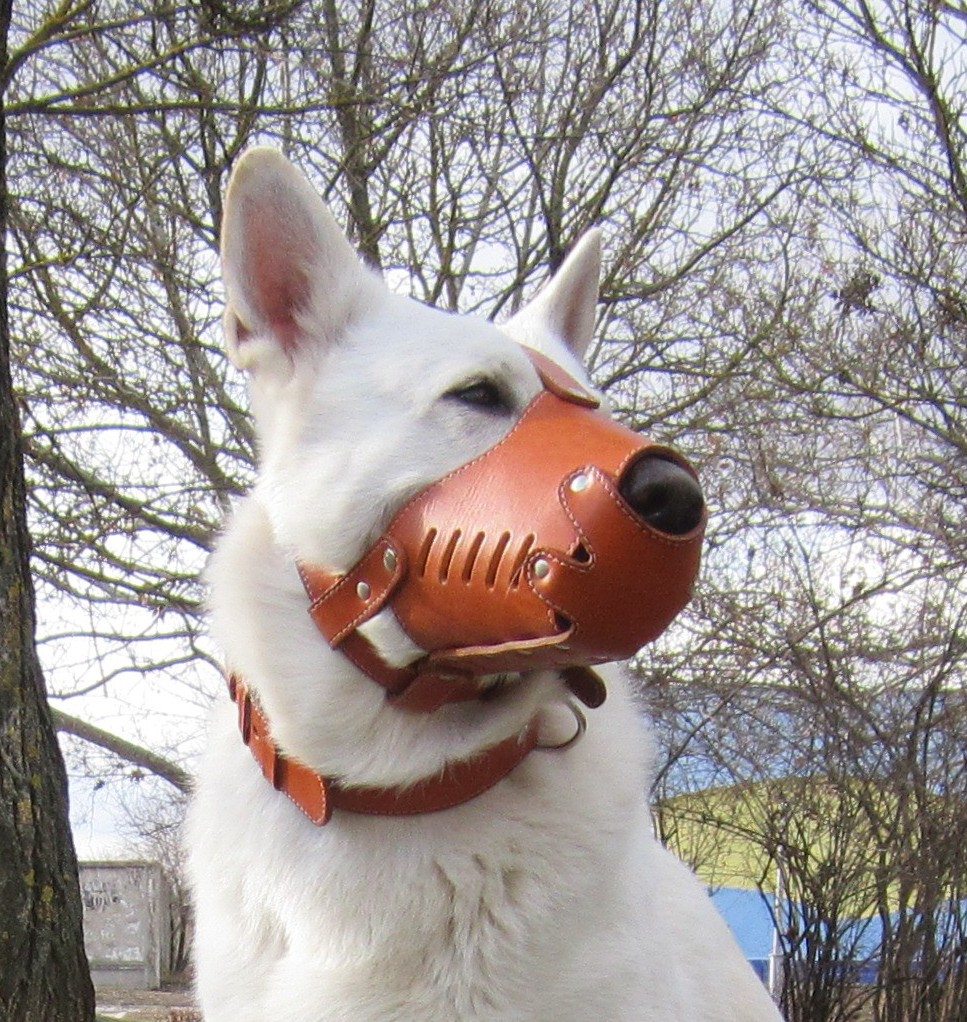
New Zealand OriginalsBorn to Bark: The Dog New Zealand Made
Every sheepdog tradition in the world prized silence and stealth. Then New Zealand bred something completely different — a dog that drives sheep by making as much noise as possible. The Huntaway is the only dog breed indigenous to New Zealand, and its story is the story of this country.
 New Zealand Originals
The Law That Couldn't Stop a Bite — and the Reform That Might
New Zealand's Dog Control Act turns 30 in 2026. In that time it has banned five breeds, created two classifications of dangerous dog, and watched bite hospitalisations continue to rise. Now, after four deaths in four years, the government has finally ordered a complete rewrite.
 New Zealand Originals
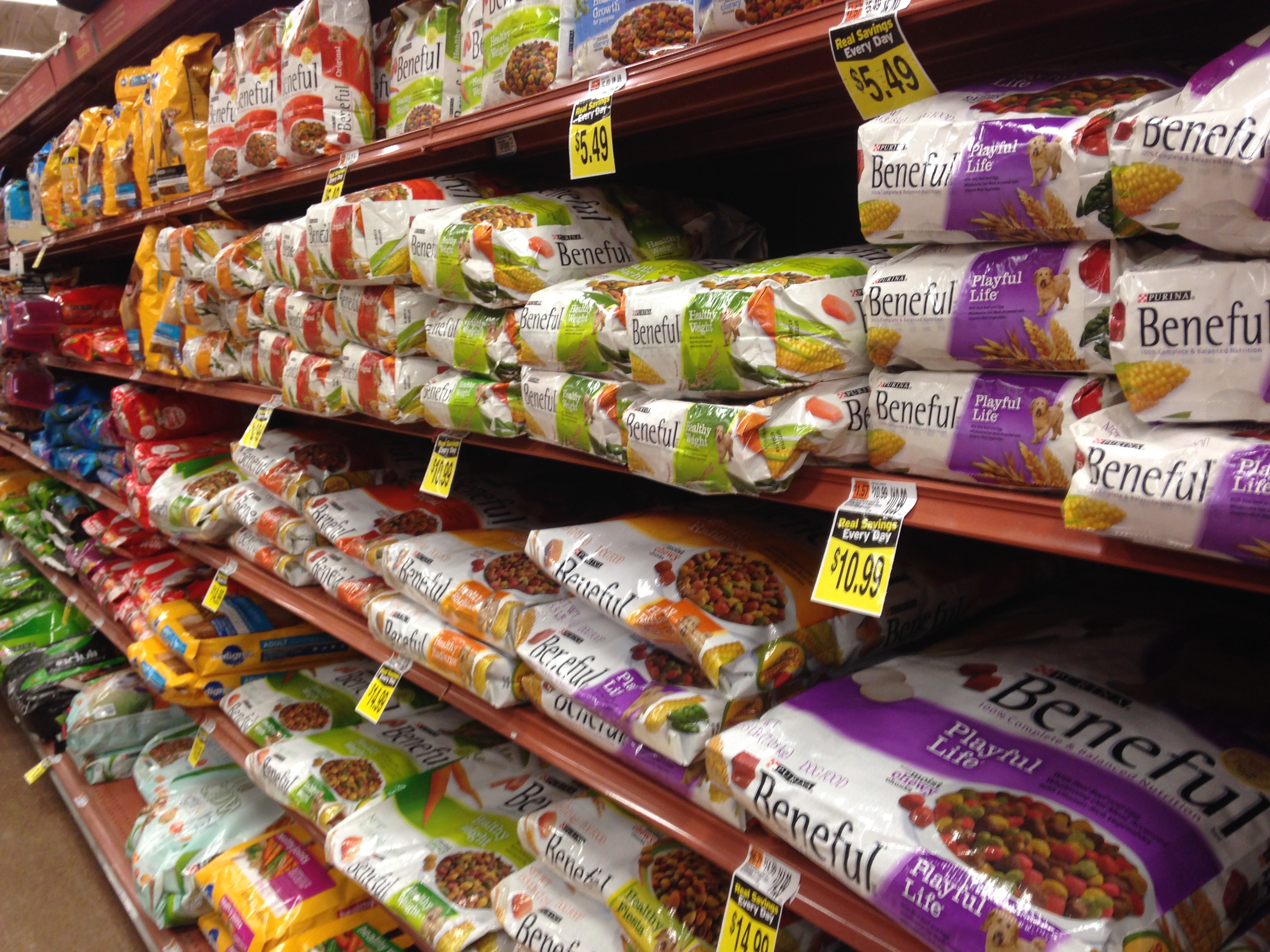
The World's Most Valuable Dog Food
In 2002, a couple in Mount Maunganui invented a new way to dry meat. Twenty years later, a Hong Kong private equity firm bought their company for NZD 1.5 billion — at 30 times revenue. The secret wasn't the recipe. It was two words on the label: New Zealand.
New Zealand OriginalsThe Dogs That Built New Zealand
Without the working dog, the pastoral economy that made New Zealand prosperous would not exist. Two hundred thousand of them still work the hills today. For the first time, scientists have gone out to the farms to ask: how are they actually doing?
New Zealand OriginalsWhy Wellington Gets Dogs Right
Wellington has 66 off-leash areas, the lowest dog attack rate of any major New Zealand city, and a community so invested in how dogs live here that 3,139 people submitted on a single bylaw. It is the most dog-friendly city in New Zealand. Here is what it did differently.
New Zealand OriginalsThe Fence That Brought Kiwi Back to Wellington
Running through the suburbs of New Zealand's capital is an 8.6-kilometre wildlife fence — one of the longest urban pest-exclusion barriers on Earth. It keeps out 14 mammal species. Inside, kiwi walk free in a capital city for the first time in over a century.
 New Zealand Originals
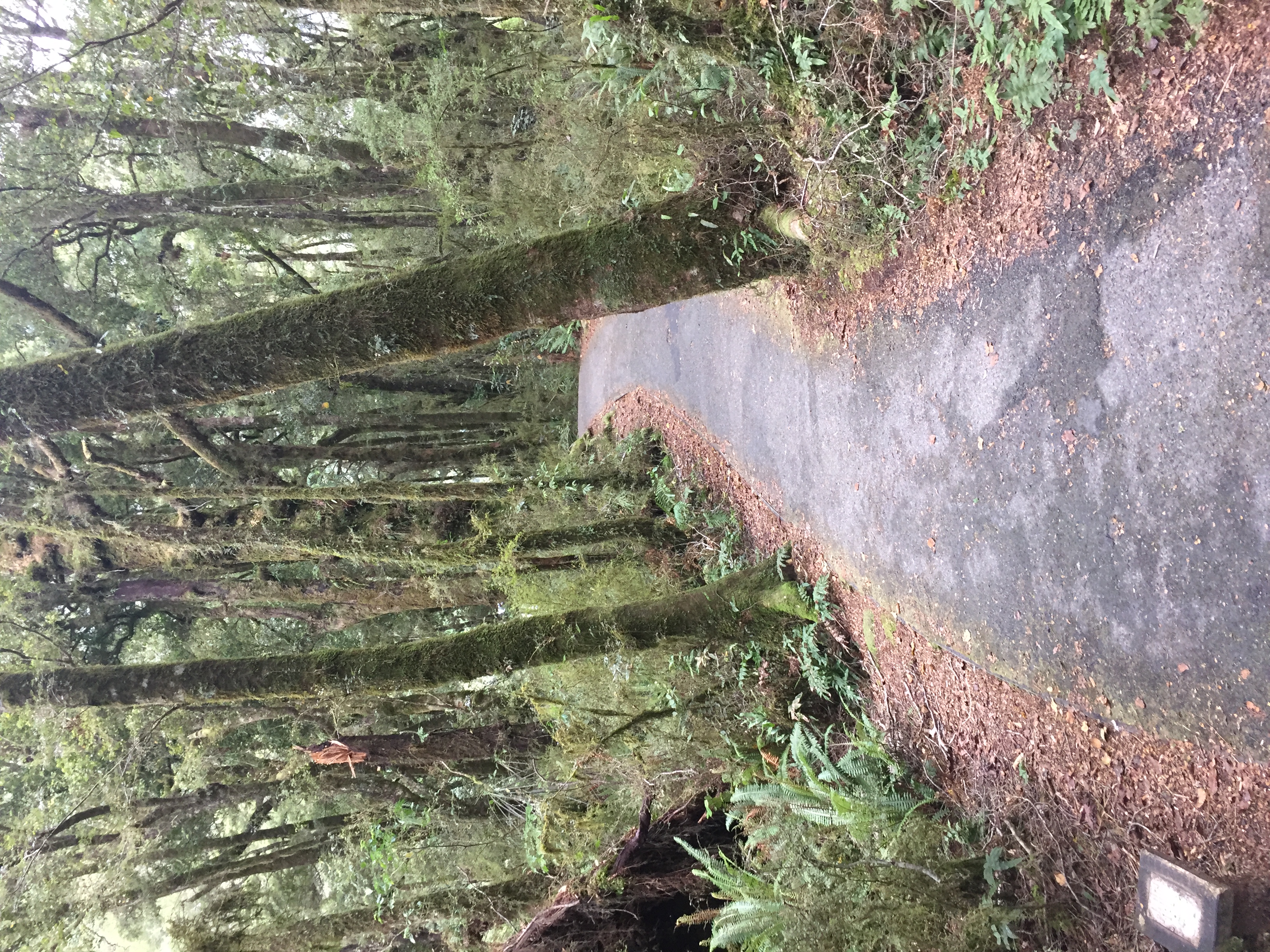
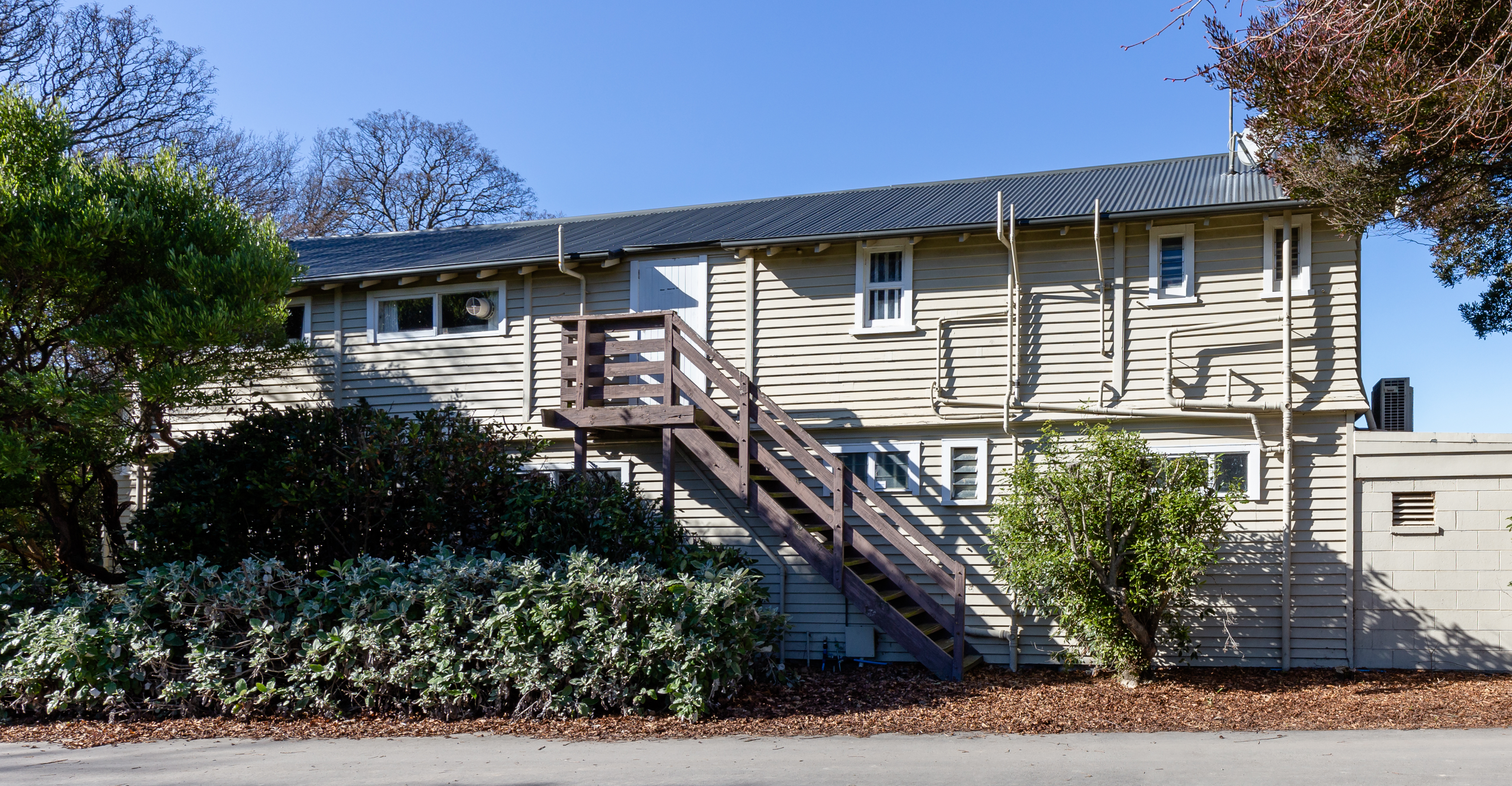
The Hunters, the Hounds, and the Deep Bush
Feral pigs have been in New Zealand since 1769 — before British settlement, before any colony. The 25,000 New Zealanders who hunt them with dogs are carrying on a tradition older than the country itself. And increasingly, they argue they are doing the land a favour.
 New Zealand Originals
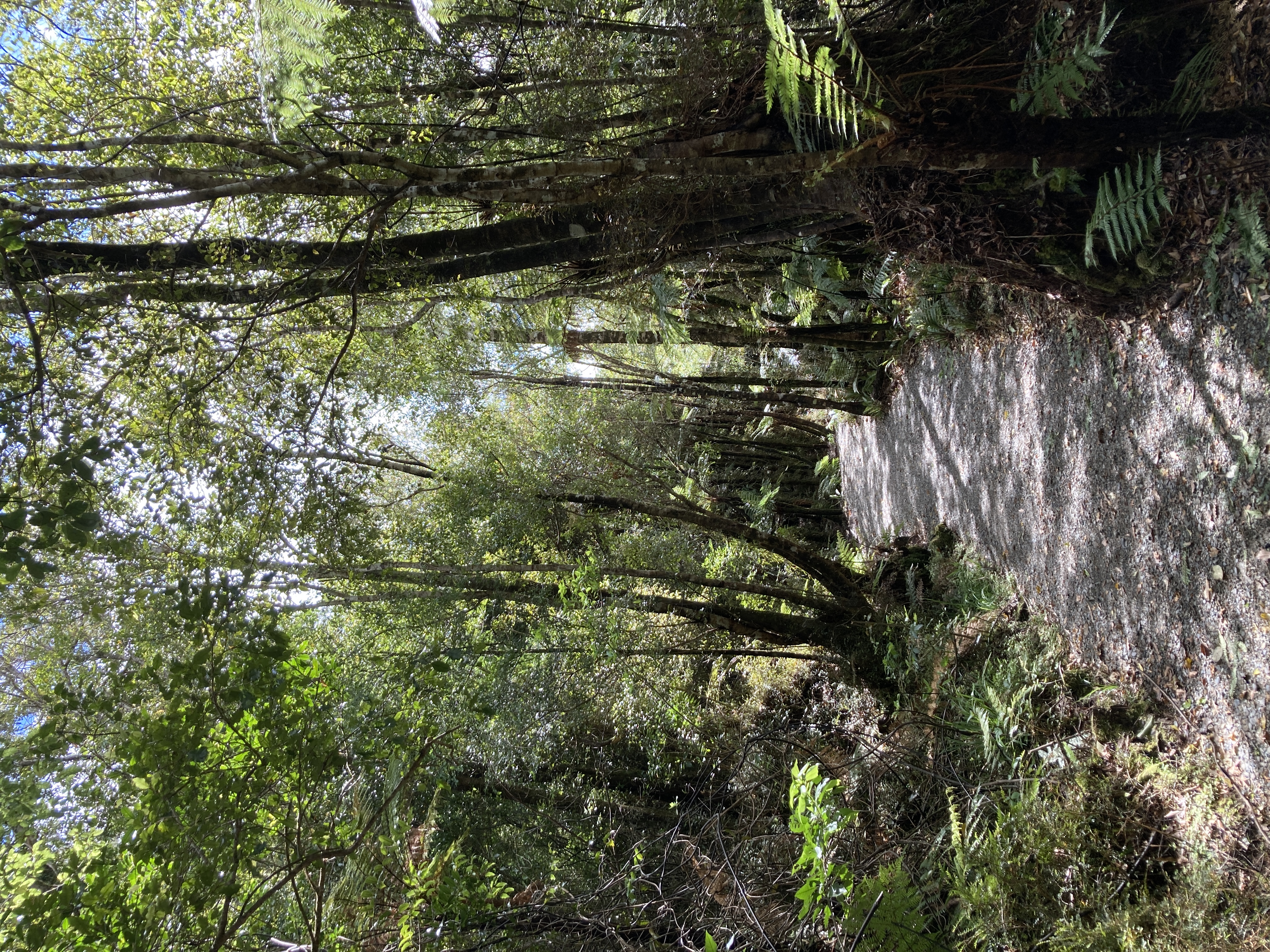
How Christchurch Made Room for Dogs
The 2010–11 Canterbury earthquakes destroyed 10,000 homes and displaced 50,000 people. They also, accidentally, created 602 hectares of new open space in the heart of New Zealand's second-largest city — nearly twice the size of Central Park. It is now some of the most walkable land in the country.
 New Zealand Originals
The 20-Minute Test That Unlocks New Zealand's Bush For Your Dog
Kiwi Aversion Training has been running since 1997. It costs $10–$25, takes 20 minutes, and has a near-perfect success rate. It is also the key that opens hundreds of New Zealand tramping tracks to dogs that would otherwise be banned from conservation land. Here is everything you need to know.
 New Zealand Originals
Dogs on New Zealand Beaches: The Complete 2026 Guide to Rules, Wildlife Zones and Kororā Safety
Thirty-six kororā penguin attacks in the Auckland region alone in the 16 months to March 2026. Seven birds dead at Piha in one month. And most dog owners had no idea. Here is the honest, practical guide to taking your dog to a New Zealand beach — and keeping the wildlife alive while you do it.
 New Zealand Originals
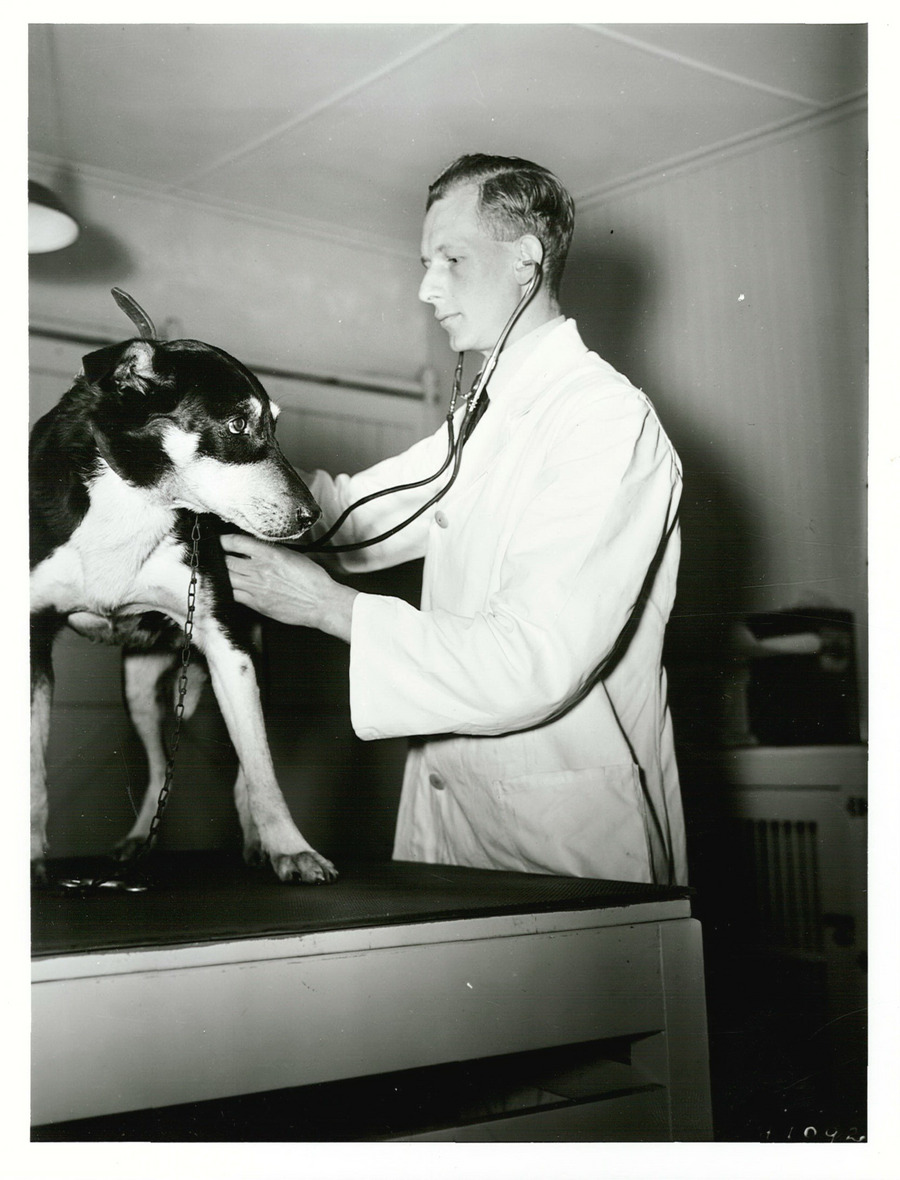
Why Is Vet Care So Expensive in New Zealand — and What Can Dog Owners Do About It?
New Zealand has one veterinary school for a country of five million people. There are 150 unfilled vet positions. Vet nurses earn barely above minimum wage. And fewer than 15% of NZ pets are insured. This is not about greedy vets — it is a structural workforce crisis, and understanding it is the first step to managing it.
 New Zealand Originals
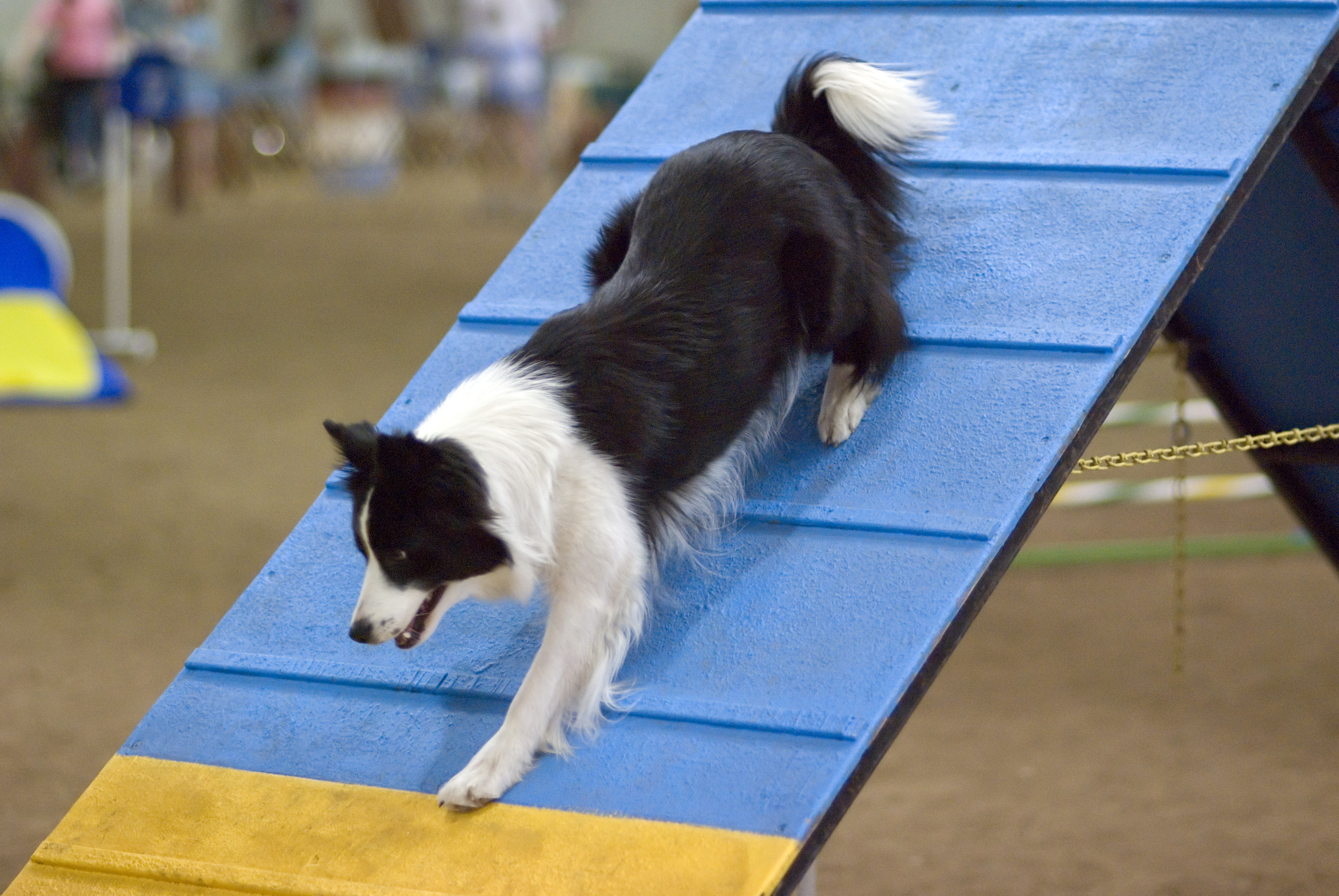
Dog Agility in New Zealand: The Beginner's Guide to Clubs, Costs, Competition and Getting Started
You don't need a Border Collie. You don't need to compete. You don't even need a well-trained dog to start. Dog agility in New Zealand has more than 40 clubs, events every weekend of the year, and a proven record for fixing the exact problem the lockdown puppy generation created: a dog with too much brain and nowhere to put it.
 New Zealand Originals
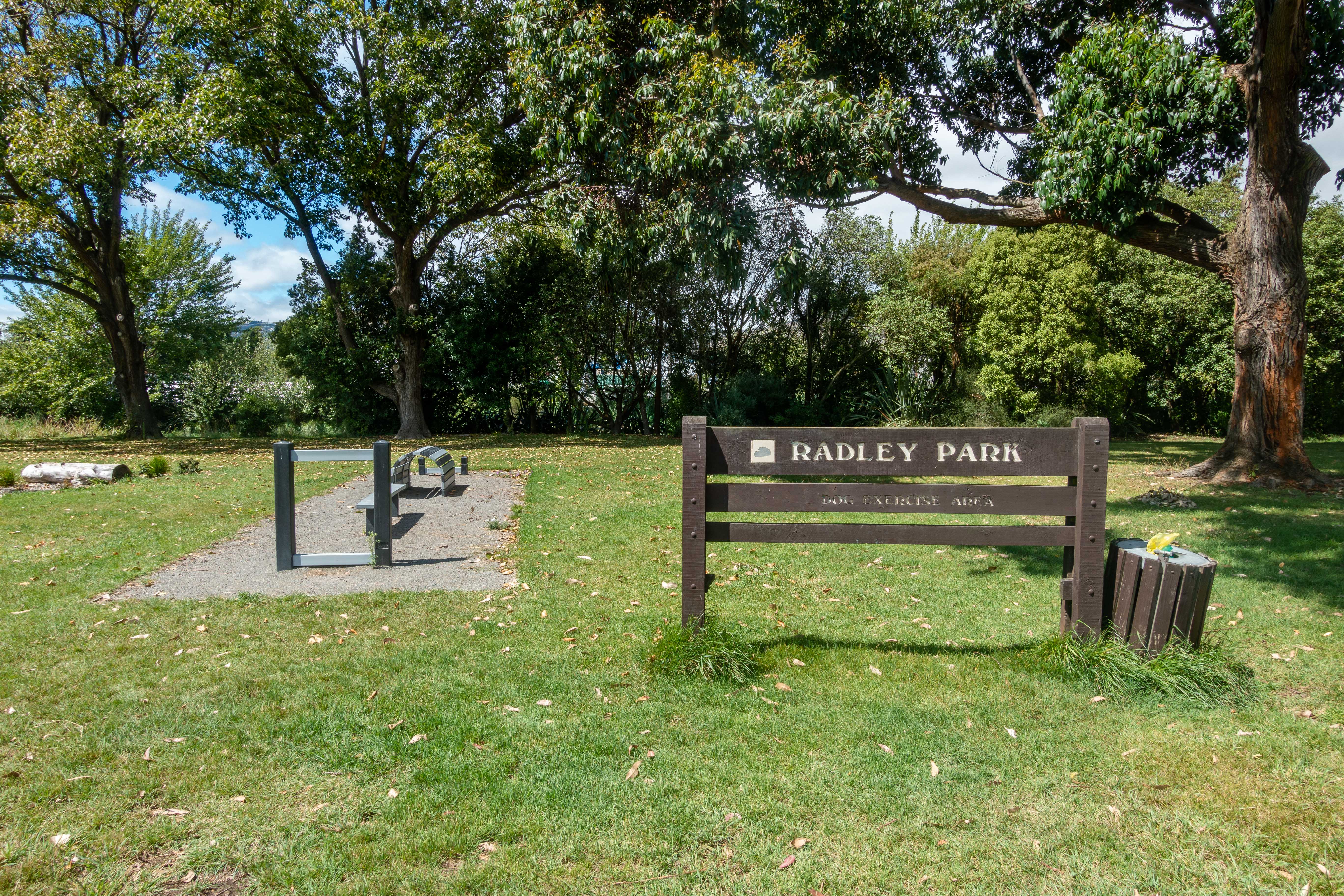
The park at the end of the lead: how New Zealand's off-leash areas became something more
On paper, an off-leash dog park is just a fenced paddock with a gate. In practice, in cities across New Zealand, they have become some of the most reliably democratic public spaces in an increasingly atomised urban life.
 New Zealand Originals
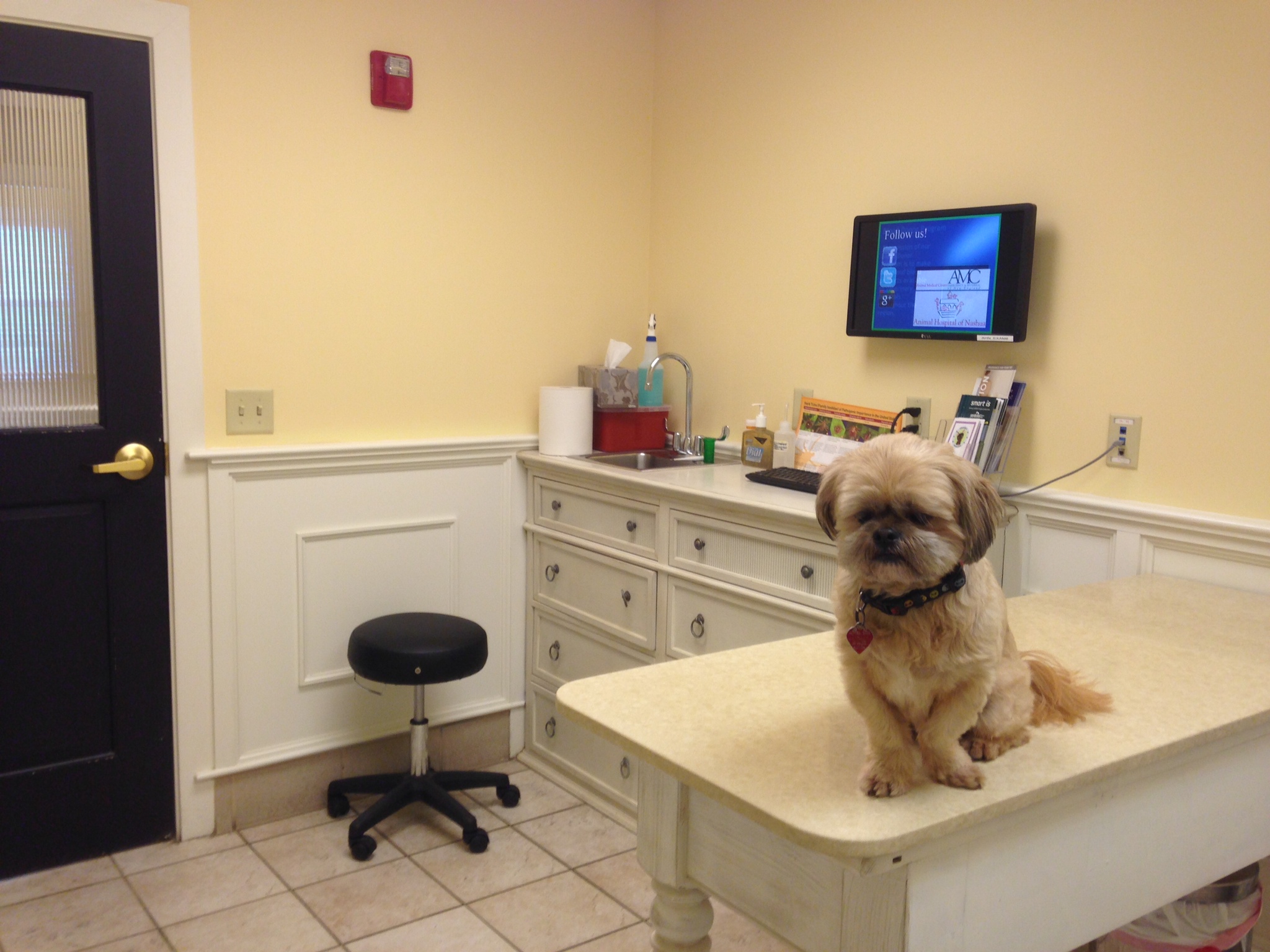
Who pays when the dog gets sick: the cost of love in New Zealand's unregulated vet market
New Zealand has no fee schedule for veterinary services, a growing specialist sector whose prices rival human private healthcare, and a pet insurance market that is expanding fast but still leaves most owners exposed. The bill, when it comes, is always a surprise.
 New Zealand Originals
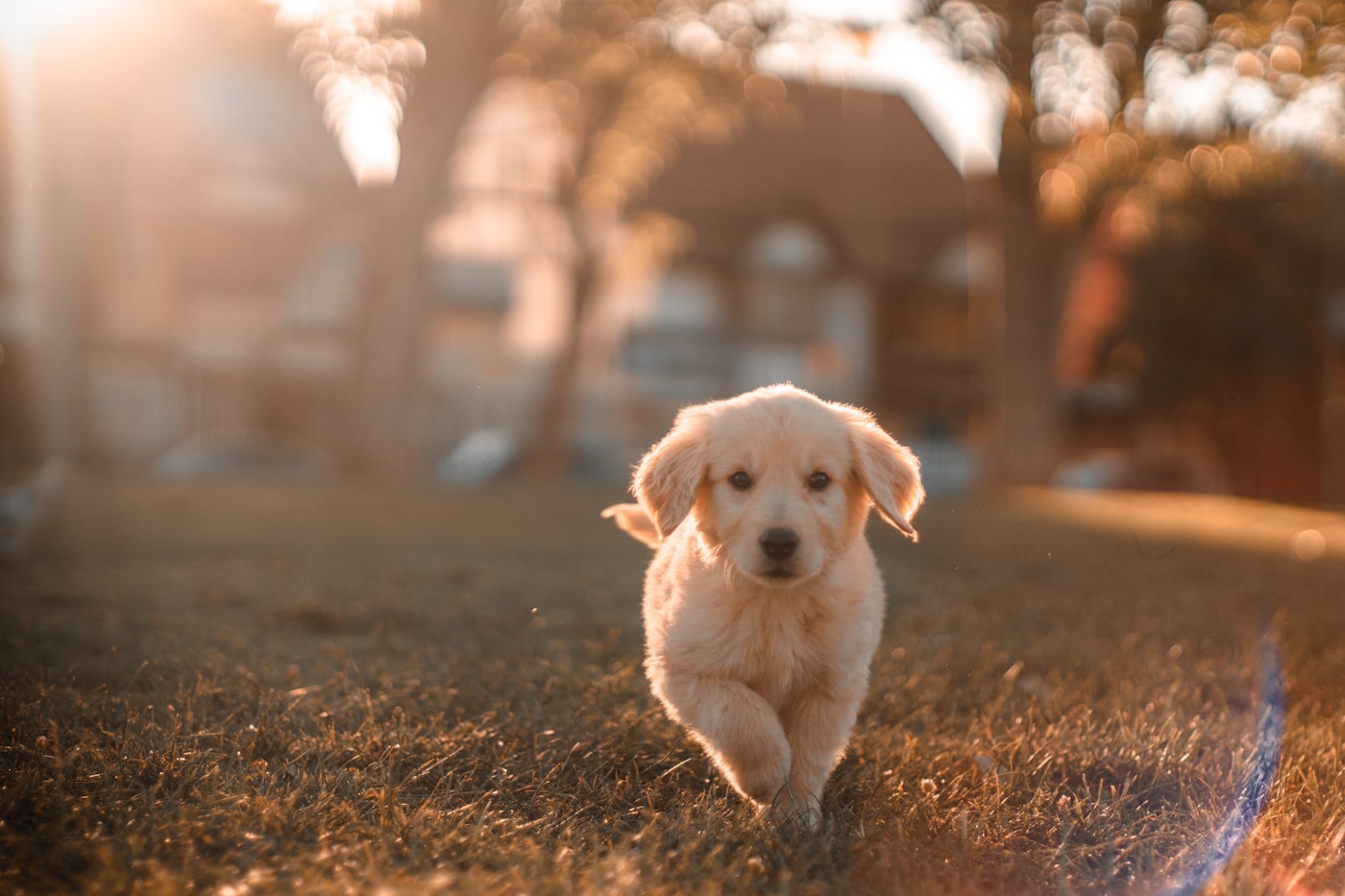
The heading dog cross: New Zealand's most overlooked rescue dog
They are the most surrendered type in New Zealand's rescue sector. They are also, in the right home, one of the most rewarding dogs you can own. An honest guide to adopting a heading-dog cross in New Zealand.
 New Zealand Originals
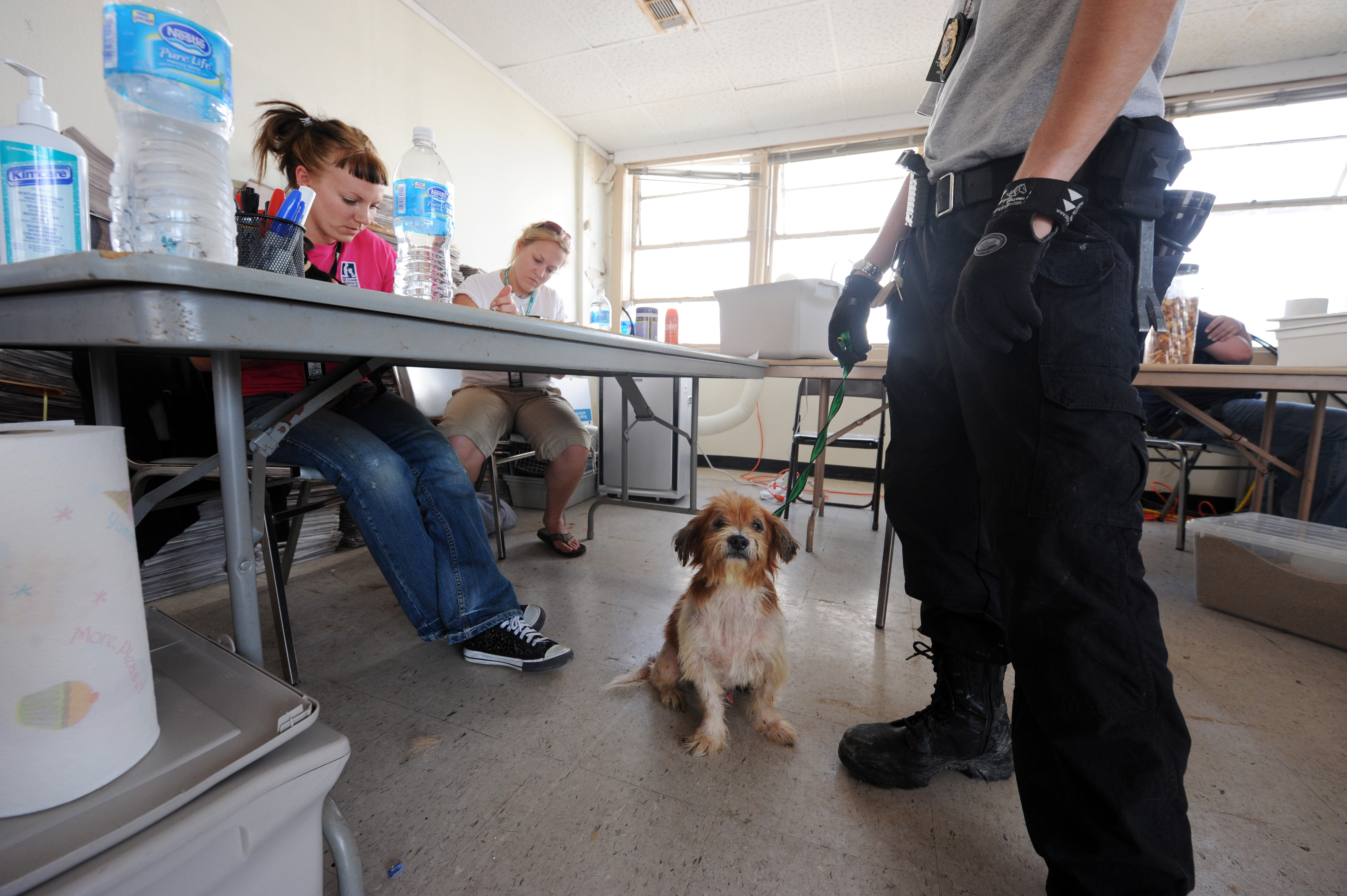
Inside New Zealand's dog rescue system: the animals nobody comes back for
Six thousand dogs euthanised in a single year. A two-system structure where welfare organisations pick up the pieces the state cannot fund. An honest look at what happens to unwanted dogs in New Zealand.
 New Zealand Originals
New Zealand's urban dog policy: Auckland, Wellington, and the politics of off-leash parks
Three major NZ cities updated their dog bylaws between 2024 and 2025. What changed, what they got right, and why the national bite-rate data tells a more complex story than the headlines.
 New Zealand Originals
Ageing dogs in New Zealand: the senior care ecosystem you didn't know existed
From specialist hospitals offering anti-NGF pain therapy to palliative care services and hydrotherapy, New Zealand has built a surprisingly sophisticated network for ageing dogs. A guide for owners whose dogs are entering their senior years.
 New Zealand Originals
Dogs in dense cities: how Auckland and Wellington are adapting to the apartment era
Auckland's NPS-UD intensification programme is pushing dog ownership into smaller dwellings. Wellington already lives densely. What does urban-density dog ownership look like in New Zealand's two biggest cities — and what does the data say about whether it's working?