


Breed library
Compare dog breeds
Select 2–4 breeds to compare side-by-side on size, temperament tendencies, care, health and suitability — including HDB status and Singapore heat tolerance.
Loading comparison…
Select 2–4 breeds to compare side-by-side on size, temperament tendencies, care, health and suitability — including HDB status and Singapore heat tolerance.
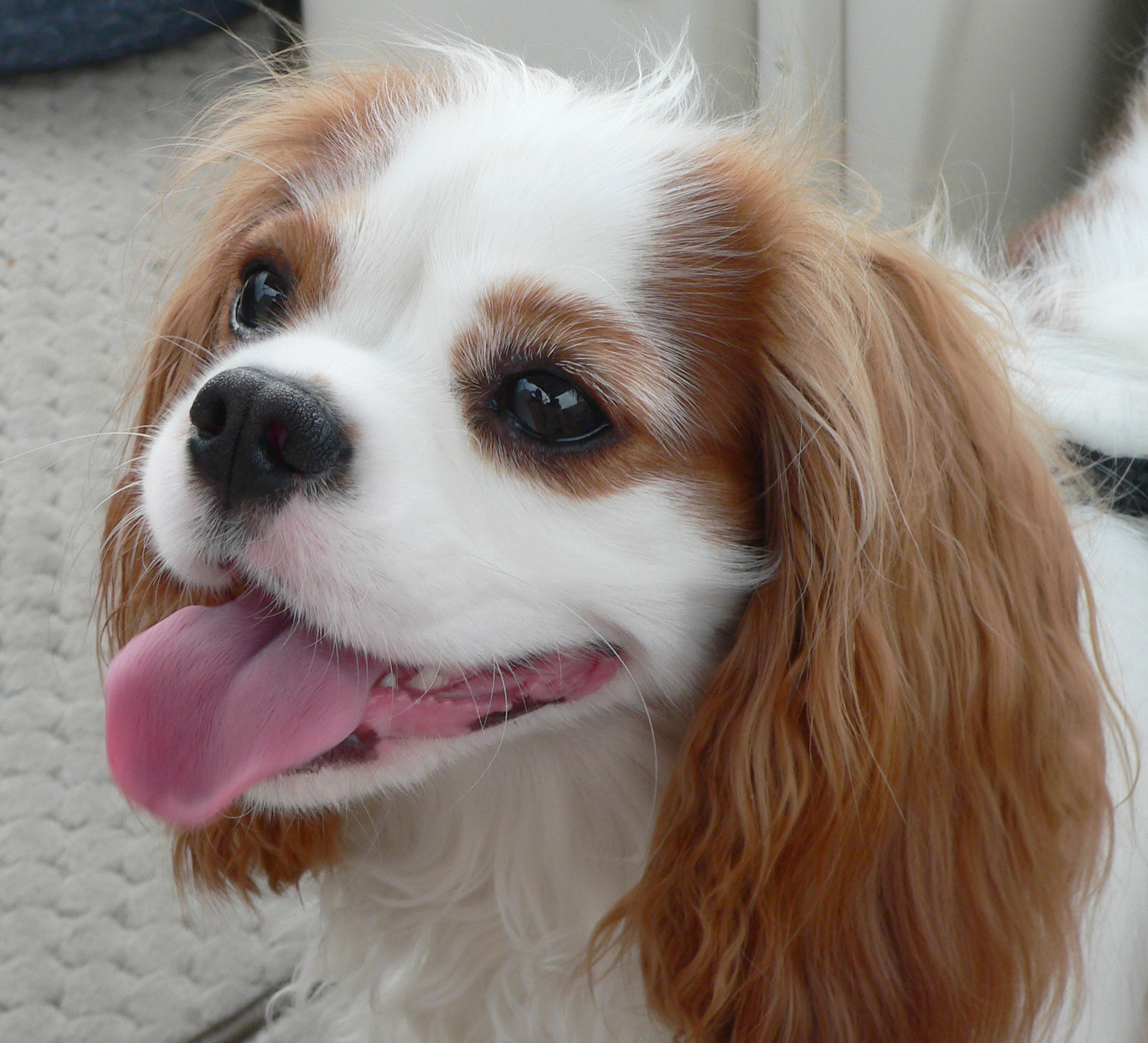
| Breed | Cavalier King Charles Spaniel Toy · Small |
|---|---|
| Size & physical | |
| Size category | Small |
| Height | 30–33 cm |
| Weight | 5.4–8 kg |
| Lifespan | 9–14 years |
| Brachycephalichigh | No |
| Coat | |
| Coat type | Single, silky, moderately long with feathering, slightly wavy · Medium |
| Sheddinghigh | 3 |
| Droolinghigh | 1 |
| Behaviour tendencies — low predictive confidence (Morrill 2022) | |
| Breed describes tendencies, not your individual dog — research finds breed explains only about 9% of behavioural variation (Morrill et al., Science 2022). Always meet the dog. | |
| Energymedium | 3 |
| Trainabilitylow | 4 |
| Barkinglow | 2 |
| With childrenlow | 5 |
| With other petslow | 5 |
| With strangerslow | 4 |
| Independencelow | 2 |
| Prey drivelow | 2 |
| Care | |
| Exercise (min/day)medium | 45 min |
| Groominghigh | 3 |
| Heat tolerancehigh | 3 |
| Space need | 2 |
| Health | |
| Known conditions | 6
|
| Rec. health tests |
|
| Median lifespan | 10.45 yrs[McMillan et al. 2024, Scientific Reports — UK dog life tables (VetCompass): Cavalier life expectancy at age 0 ≈ 10.45 yr (95% CI 10.26–10.62)] |
| Biddabilitylow | 4 |
| Excitabilitylow | 3 |
| Separation-related behaviourlow | 4 |
| Stranger-directed aggressionlow | 1 |
| Suitability | |
| First-time owner | ✓ Good (4/5) |
| Apartment living | ✓ Good (5/5) |
| Children | ✓ Good (5/5) |
| Other pets | ✓ Good (5/5) |
| Singapore | |
| HDB-approved | ✓ HDB-approved |
| ADORE-eligible | No |
Trait bars are 1–5 scales. Confidence pills (high/medium/low) indicate how reliably breed predicts each trait. Physical traits (size, coat, heat tolerance) are highly predictable. Behavioural tendencies are weak breed-level priors — breed explains only about 9% of variation in individual dog behaviour (Morrill et al., Science 2022). Always meet the dog.