


Train & Behaviour
Science-based, reward-focused training — from a puppy's first weeks to solving behaviour problems. Every guide is cited and reviewed by certified trainers. Need hands-on help? Find a trainer in Phuket.

House-training a puppy: the schedule-based method that actually works
Puppies are not born knowing the house rules — they learn them through repetition, clear signals, and a consistent schedule. Most puppies can be reliably house-trained within four to eight weeks using the approach in this guide.
Crate training a puppy: building positive associations from day one
A crate is a puppy's safe place — but only if the introduction is done right. Learn how to help your puppy choose the crate willingly, cope with night-times, and see it as a refuge rather than a restriction.
Stopping puppy biting and mouthing: how bite inhibition actually works
Puppy biting is normal, not aggressive — but it needs to be redirected before those needle-sharp teeth become an adult problem. Here is the science of bite inhibition and the step-by-step method that works.

Puppy socialisation: making the most of the critical window (3–14 weeks)
The socialisation window — roughly 3 to 14 weeks — is the single most influential developmental period in a dog's life. What happens (and what does not happen) during these weeks shapes behaviour for a lifetime.

Teaching a puppy their first cues: sit, down, come and stay
Four cues, a handful of treats, and five-minute sessions are all you need to start a puppy's training journey. Here is how to teach each one cleanly using luring and positive reinforcement.

The first lesson: teaching your puppy their name and the "watch me" cue
Before any other training can happen, a puppy needs to know their name and learn to redirect their attention to you on cue. These two skills take minutes to teach and pay dividends in every session that follows.

Toilet-training an adult or rescue dog: the complete guide
Adult and rescue dogs can absolutely learn reliable house manners — the biology is on your side. The approach differs from puppy training in a few key ways, and most dogs settle within two to four weeks.

Crate training step by step: building a den your dog genuinely loves
A crate is not a cage — it is a safe, dog-chosen refuge. Done correctly, most dogs learn to enter voluntarily and rest there calmly. The key is patience, increments, and never using the crate as punishment.

Night-time toileting and accident prevention: the routine that actually works
The overnight stretch is the hardest part of house training. A structured pre-bed routine, the right confinement setup, and knowing when to make a night trip can eliminate most accidents within a week.
When house training goes backwards: regression, marking and medical causes
A dog who was reliable and starts having accidents again is not being defiant — something has changed. Here is how to diagnose whether the cause is medical, hormonal, environmental, or behavioural, and what to do about each.

How dogs learn: the science behind marker training and reward-based basics
Before you teach a single cue, understanding how dogs form associations makes every training session more efficient. Here is the behaviour science behind marking, timing, and reward — without the jargon.
Teaching sit, down and stay: a step-by-step guide to the three foundation cues
Sit, down and stay are the building blocks of everything else you will ever teach your dog. Learn how to shape each one cleanly, add the cue word at the right time, and build duration without breaking the behaviour.

A recall you can trust: teaching "come" so your dog returns every single time
A reliable recall is the most important safety skill a dog can have — and one of the most commonly undertrained. Here is how to build it from scratch and protect it from the mistakes that erode it.

Proofing cues: making your dog's training hold up in the real world
A dog who sits perfectly in the kitchen but ignores you at the park has not learned the cue — they have learned the context. Proofing is the deliberate process of teaching a dog that a cue means the same thing everywhere, every time.
Loose-leash walking: how to teach your dog to walk without pulling
Pulling on the lead is one of the most common reasons dogs lose their daily walks. The fix is not a stronger harness — it is teaching the dog that a loose lead is what gets them where they want to go.
Collars, harnesses and leads: how to choose the right walking kit (and why no-pull tools are management, not training)
The pet aisle offers dozens of no-pull solutions. Some help. None teach. Here is what the equipment does, what it does not do, and how to match it to your dog.
Leash reactivity: a step-by-step plan for calmer walks past dogs, people and bikes
A dog who lunges, barks or growls on lead is not aggressive — they are over-threshold and struggling. The fix is systematic desensitisation and counter-conditioning, not corrections or avoidance.
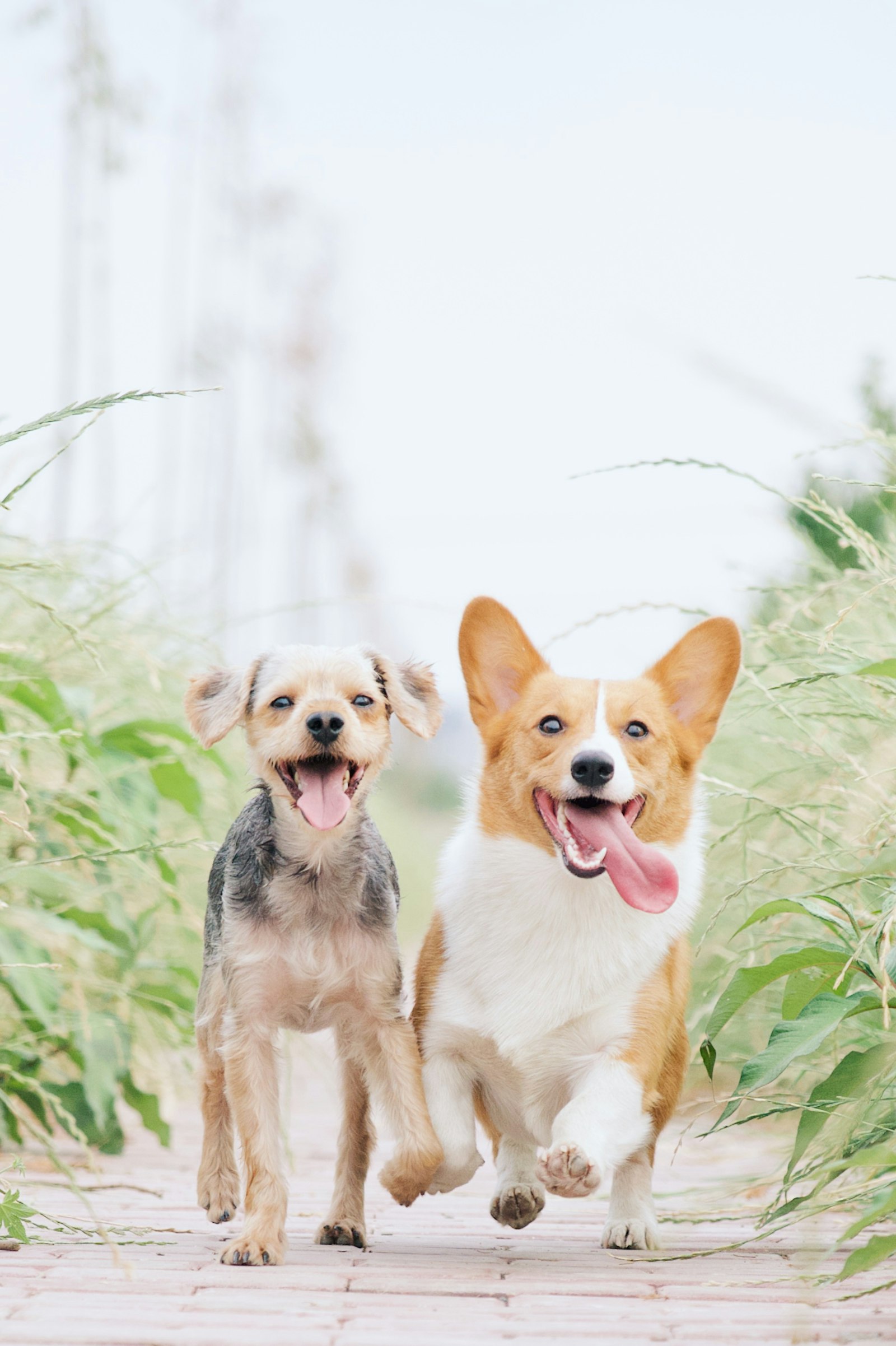
Introducing the leash to a nervous or newly-adopted dog
For a dog who has never worn a collar or who has learned to fear the lead, going slowly is going fast. Here is how to build a positive association from the very first touch.

The socialisation window explained: why 3–14 weeks shapes a dog's entire social life
Canine neuroscience has identified a narrow developmental period in which the brain is uniquely wired to accept new experiences as normal. Missing that window has consequences that last a lifetime. Here is what the science says.

Socialising safely before vaccinations are complete
Waiting until the full vaccine course is done before socialising a puppy means missing most of the sensitive period. Here is how to balance the real disease risk against the real cost of under-socialisation.

Sound and handling desensitisation: how to prepare your dog for vets, grooming, thunder and fireworks
Fear of loud noises and handling procedures causes immense suffering in dogs — and most of it is preventable with early, systematic desensitisation. Here is the practical protocol.
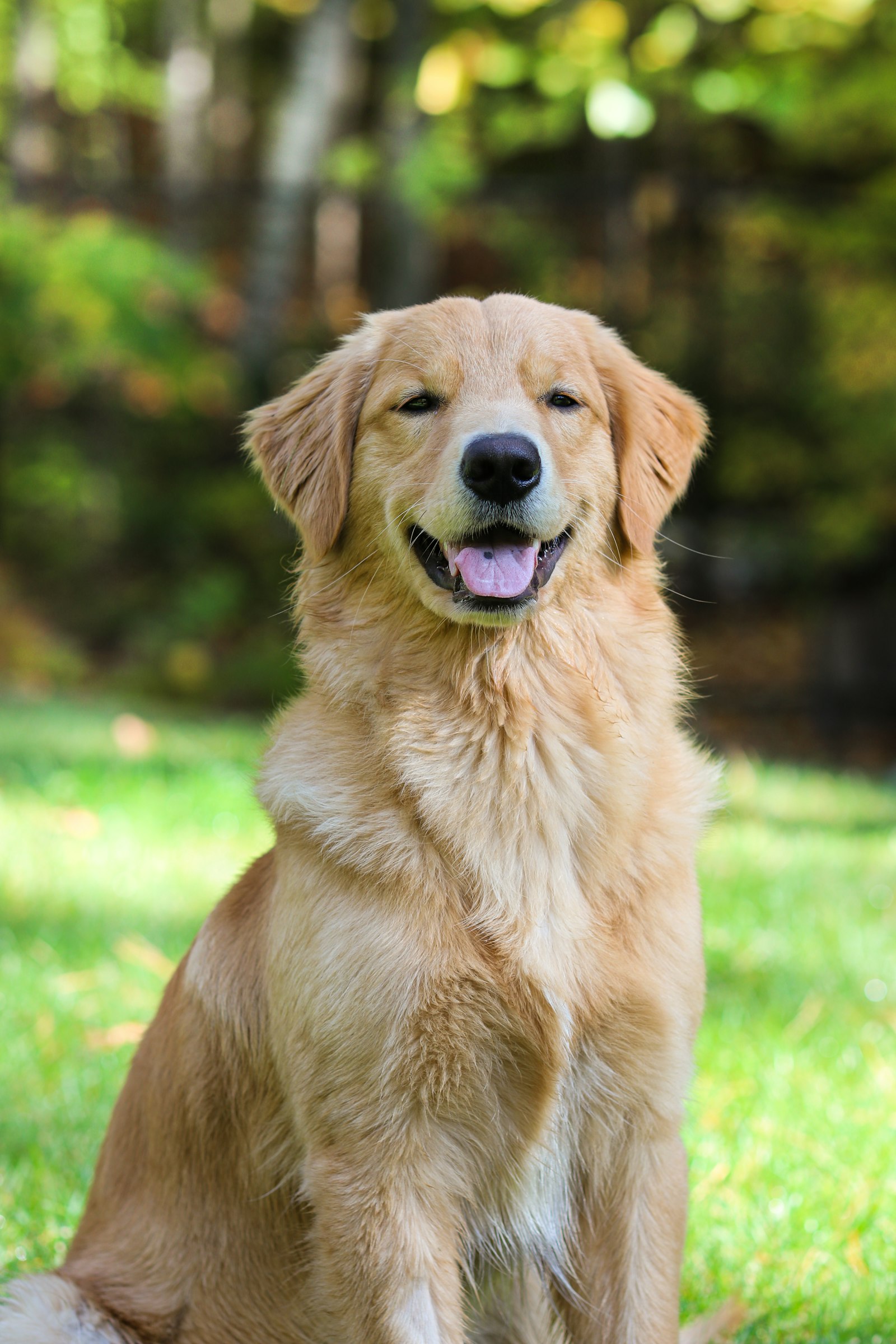
Helping a fearful or under-socialised adult dog gain confidence
A dog who missed the socialisation window, or who had frightening early experiences, can still make meaningful progress. It takes patience, a specific approach, and realistic expectations — but the difference in quality of life is profound.
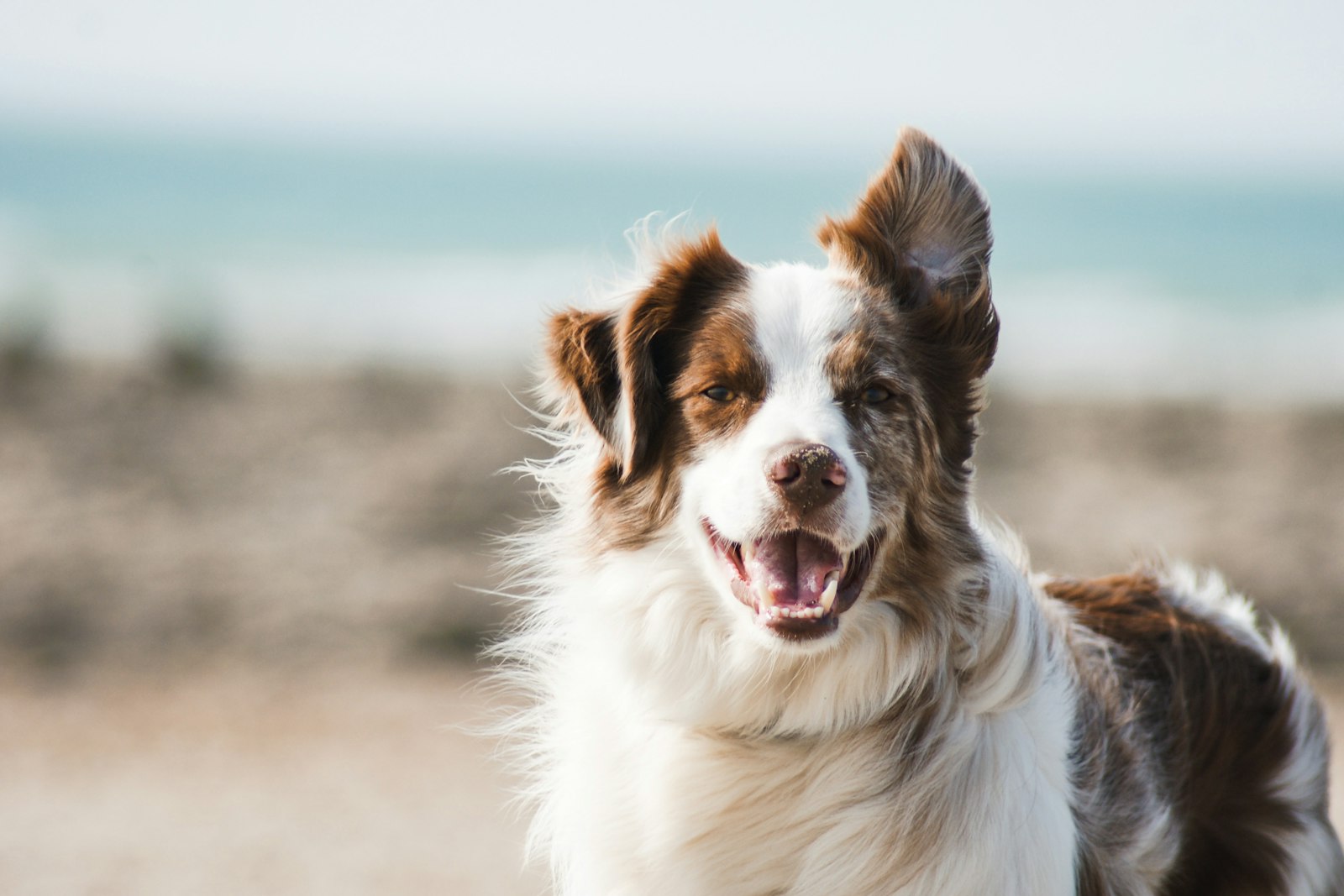
Stopping excessive barking: find the cause first, then choose the fix
Barking is a symptom, not a behaviour problem in isolation. The effective approach to excessive barking begins with identifying what the dog is communicating, not with suppressing the sound.
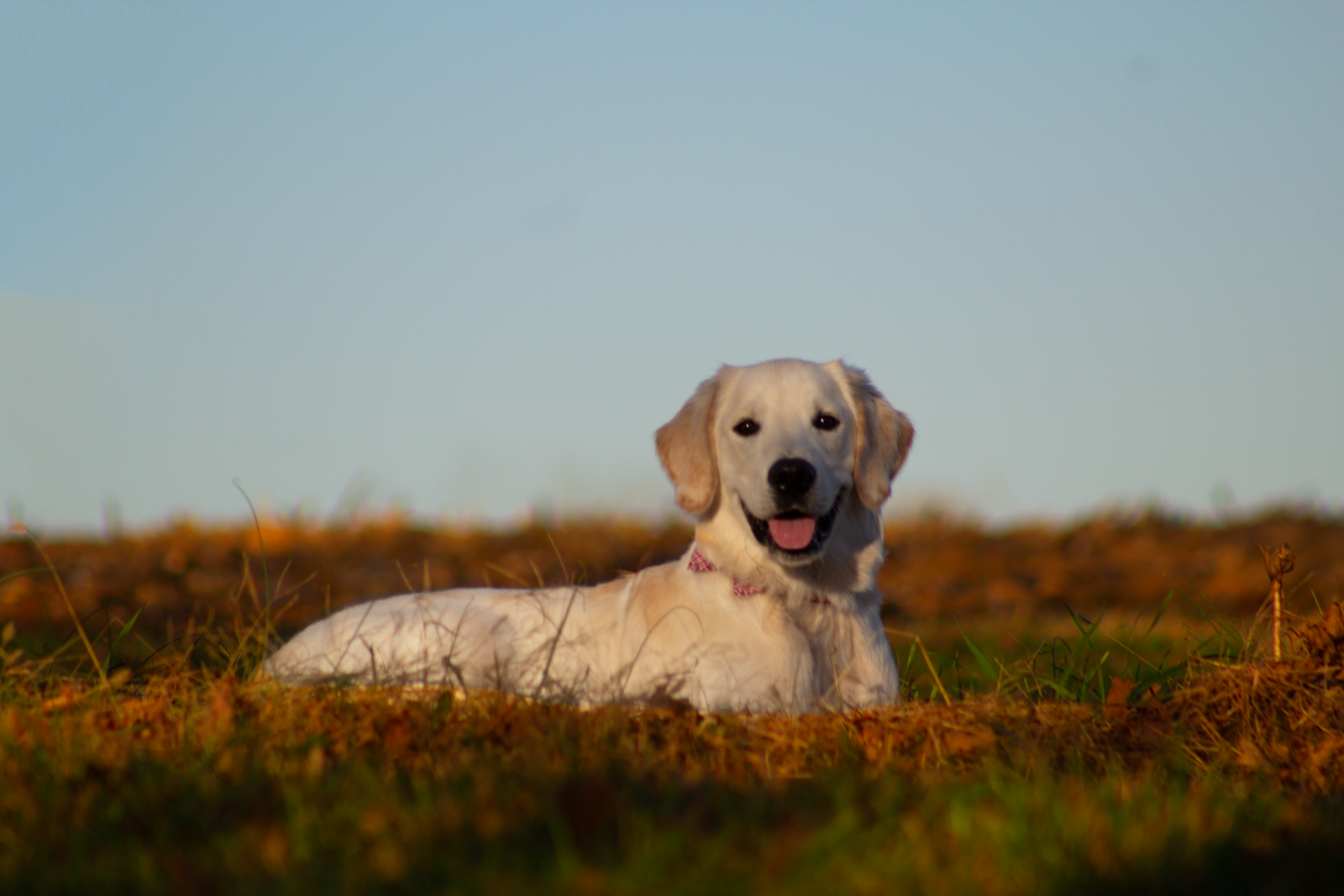
Separation anxiety in dogs: prevention, early signs and a graduated alone-time plan
True separation anxiety is not wilful destruction or "spite" — it is a panic disorder. Understanding what it is, and what it is not, is the first step to addressing it humanely and effectively.

Stop jumping up: teaching your dog to greet people calmly
Jumping up is one of the easiest problem behaviours to inadvertently teach and one of the most satisfying to fix. The secret is consistency, not correction.
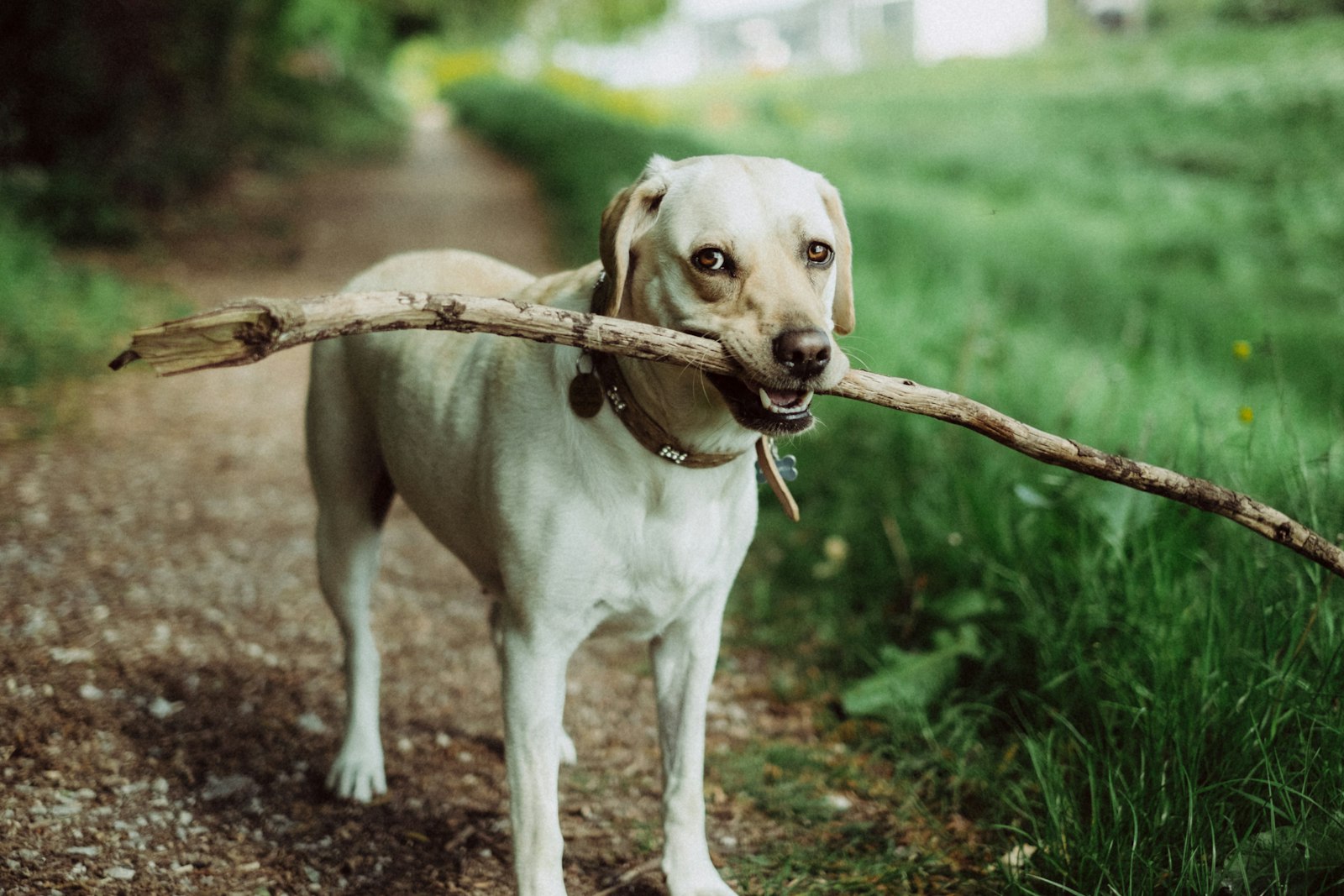
Destructive chewing in adult dogs: causes, management and lasting solutions
Adult dogs who chew furniture, shoes and household objects are usually bored, anxious, or under-enriched — not defiant. Here is how to find the cause and redirect the behaviour to appropriate outlets.
Work with a certified trainer in Phuket
Reactivity, anxiety, or anything that worries you — a force-free professional makes all the difference. Tell us what's going on and we'll match you with vetted trainers & behaviourists near you.
Or browse all trainers →